Indian Nose Sunrise Hike Logo
English| USD
Suggested for you
More currencies
Book Now
Open today · 08:00 – 17:00

Indian Nose Sunrise Hike

Indian Nose Sunrise Hike — Guided Ridge Ascents Above Lake Atitlán

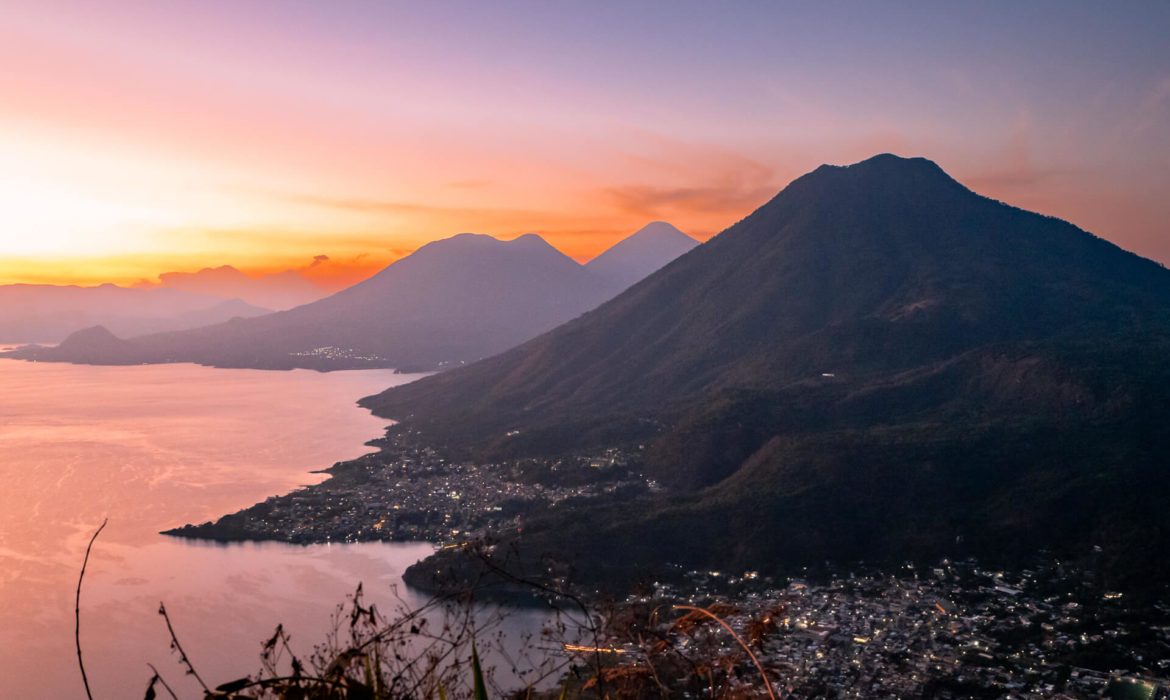
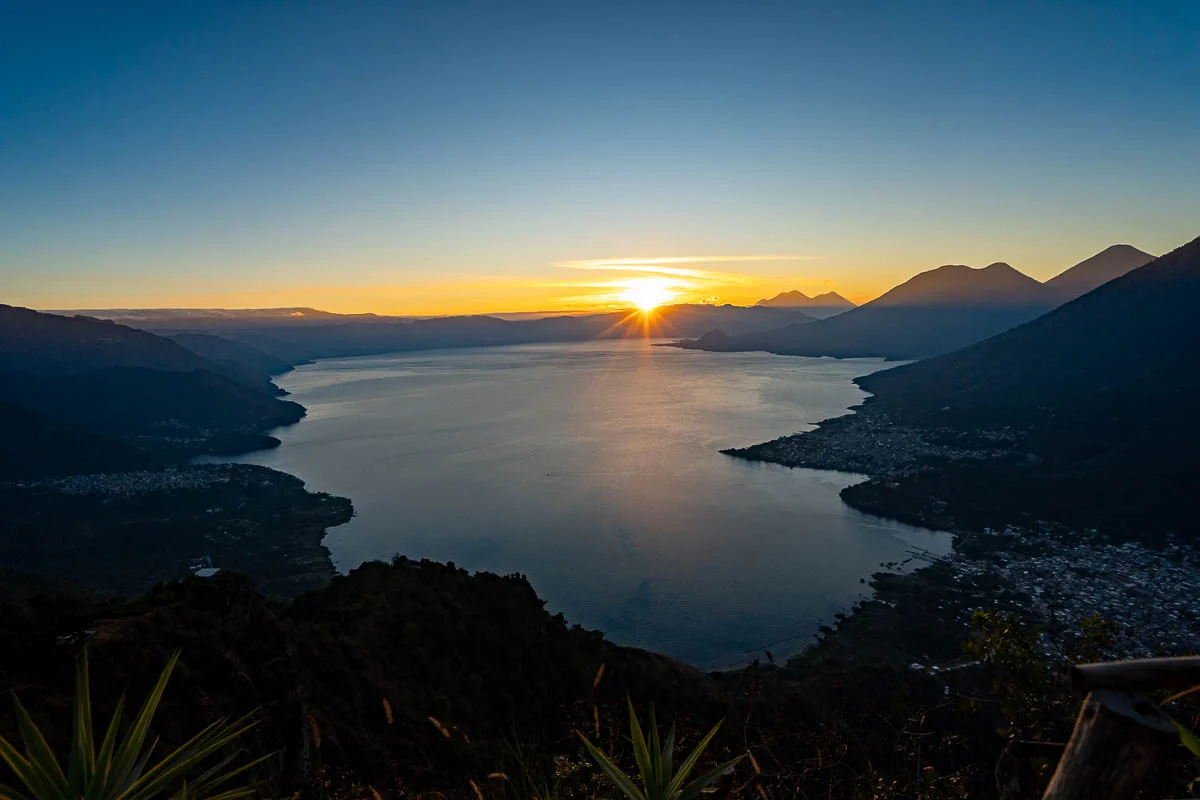
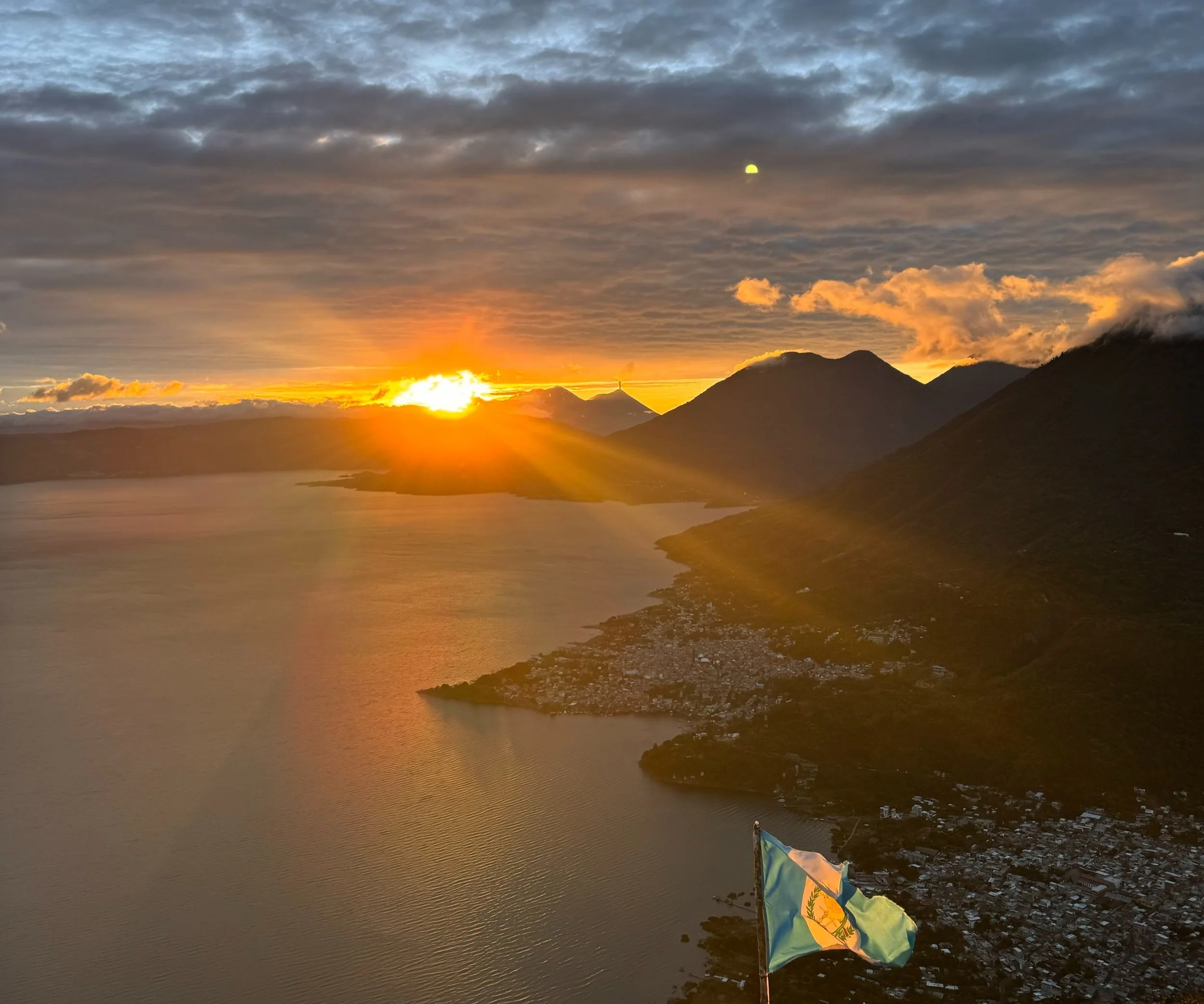
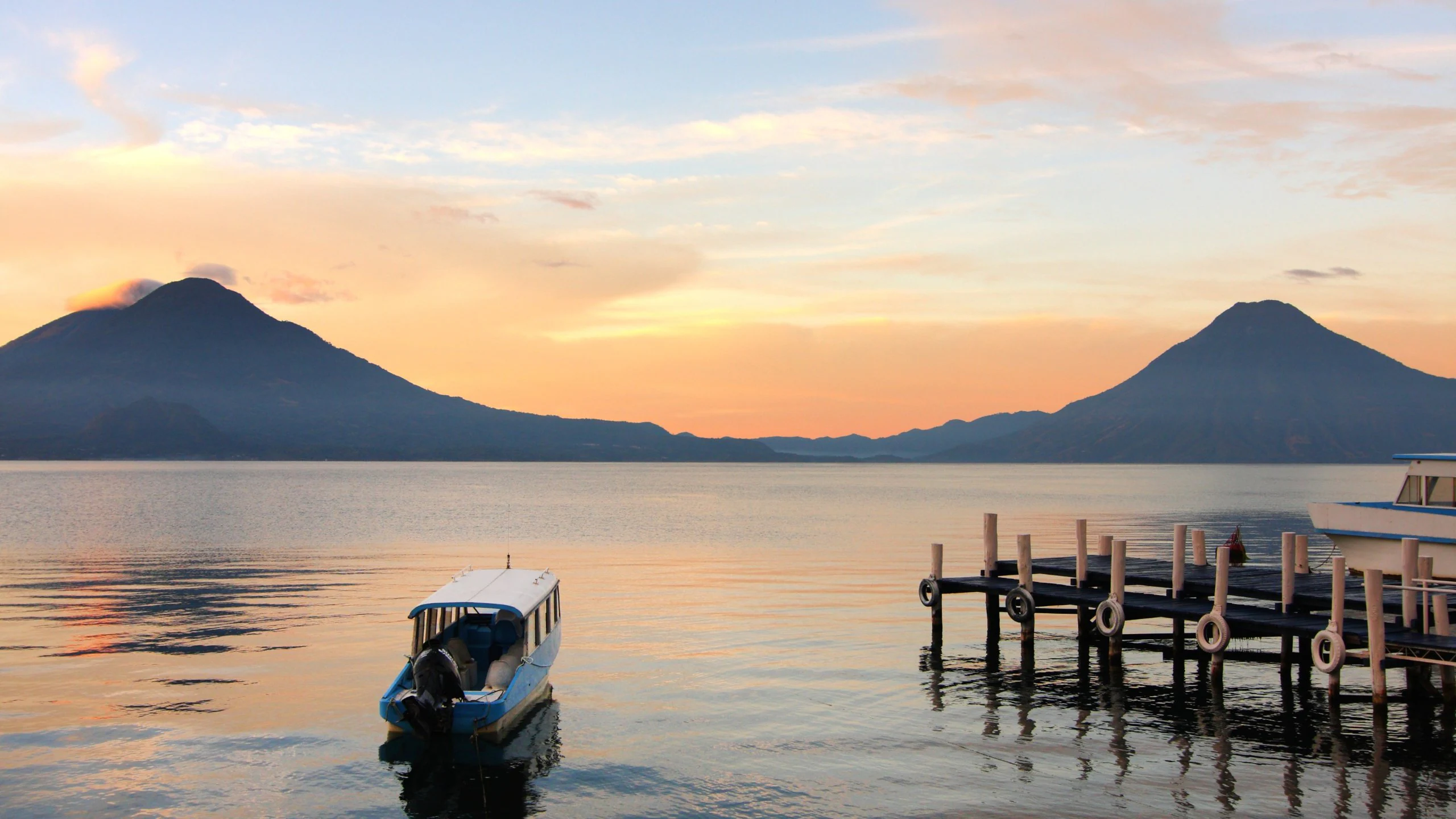
Volcanoes surface from the dark, the lake turns to hammered silver.

4.8 /5 · 2,400 reviews
38K+ travelers chose this
Free Cancellation
Right now: Light — weekday morning Arrive by 08:00–09:00 for softer light and fewer people
3-4 hours round trip
1 Languages
Small groups, 2-12 people
Free Cancellation
Free cancellation Instant confirmation Mobile voucher Verified partner Book now, pay later
Q80
entry fee
adult ticket
8:00–17:00
hours
daily opening
Panajachel,Sololá
address
Guatemala
08:00–09:00
best arrive
best light
Choose your ticket

Indian Nose Sunrise Hike tickets at a glance

Compare fares, pick the fit — all bookings are mobile-voucher and eligible for free cancellation where shown.

Sunrise Hike to Indian Nose from Panajachel 6 hr
Guided Experience

Sunrise Hike to Indian Nose from Panajachel

4.9 (9)
€77
  • Expert local guide
  • Small group
  • Skip-the-line access
  • Free cancellation
Book this ticket
Indian Nose Sunrise Hike at Lake Atitlán 4 hr
Standard Entry

Indian Nose Sunrise Hike at Lake Atitlán

4.6 (52)
$35
  • Entry ticket
  • Mobile voucher
  • Valid same day
  • Free cancellation
Book this ticket
Compare options

Compare Indian Nose Sunrise Hike ticket options

Experience DurationRatingPickupGuideSmall groupFree cancel. Price
Standard Entry
Most popular
Indian Nose Sunrise Hike Above Lake Atitlán
4 hr★ 4.4 $32 Book →
Guided Experience
Sunrise Hike to Indian Nose from Panajachel
6 hr★ 4.9 €77 Book →
Standard Entry
Indian Nose Sunrise Hike at Lake Atitlán
4 hr★ 4.6 $35 Book →

Is the Indian Nose Sunrise Hike Worth It?

Worth it for first-timers and photographers, not everyone

You pay 80 GTQ for adult entry, and for that the indian nose sunrise hike buys you a ridgeline view across the whole Atitlán caldera — Volcán San Pedro, Tolimán and Atitlán lined up over the water, the lake still glassy below. That is a strong return on a small fee, and the reserve's recommended window of 08:00–09:00 (it opens at 08:00) delivers the best light with fewer crowds. It pays off clearly for first-time Lake Atitlán visitors and for photographers, who get the single angle that explains the basin's geography. Early risers who like the climb itself get the most from it. It is skippable if your schedule is tight and you dislike loose ground underfoot, or if a pre-breakfast alarm wrecks the rest of your day — the Nariz del Indio viewpoint fills up, and guided packages add cost on top of the 80 GTQ entry.

What makes it worth it

  • 80 GTQ adult entry is low for the payoff
  • Three volcanoes and the full lake basin in one frame
  • Arriving 08:00–09:00 means better light, thinner crowds
  • Big visual return for modest physical effort
  • A guided indian nose sunrise hike tour eases navigation

Keep in mind

  • Viewpoint gets congested once groups converge
  • indian nose sunrise hike tours cost extra beyond entry
  • Gates open 08:00, so pre-dawn access is not guaranteed
  • Cloud cover can hide the volcanoes entirely

Bottom line: Paying 80 GTQ for indian nose sunrise hike tickets is money well spent if you want Atitlán's volcanoes in a single frame, and money wasted if early mornings are not your thing.

Head to head

Indian Nose Sunrise Hike vs. San Pedro Volcano — Which One Fits Your Lake Atitlan Trip?

They complement different kinds of Lake Atitlan days: the indian nose sunrise hike is the shorter, pre-dawn viewpoint choice, while San Pedro Volcano is the bigger summit day-hike. Most visitors who want a sharper sunrise payoff with less effort choose Indian Nose; hikers who want a tougher climb and a fuller mountain outing usually pick San Pedro.

Top pick
Indian Nose
San Pedro Volcano
Effort Hard summit climb
Time commitment About 4–6 hours
Sunrise focus Sunrise possible, less central
Views Wide lake and crater views
Typical departure towns San Pedro La Laguna
Fitness needed Good hiking fitness

Verdict: Choose Indian Nose for a shorter sunrise hit and San Pedro Volcano when you want the more demanding hike and are fine spending most of the morning on the mountain.

Featured Experiences

Popular Indian Nose Sunrise Hike tours & activities

Hand-picked experiences loved by thousands of travelers

Recommended Experience

Powered by GetYourGuide

Another traveler favorite

Powered by GetYourGuide
Indian Nose Sunrise Hike from San Pedro or Panajachel 6 hours Free Cancellation

Indian Nose Sunrise Hike from San Pedro or Panajachel

Predawn hike to Lake Atitlán's famous viewpoint for a volcano-framed sunrise.

5 (1)
FromFrom $27
See details
Your journey

Your Indian Nose Sunrise Hike day, step by step

1
Arrive at the reserve

Arrive at the reserve

Check in near the main entrance and confirm the trail or guide plan before setting out.

2
Pre-dawn hike start

Pre-dawn hike start

Follow the agreed route uphill in the dark with a headlamp or guide light, keeping a steady pace on uneven ground.

3
Sunrise viewpoint

Sunrise viewpoint

Pause at the mirador for the lake, volcanoes, and changing dawn colors over Atitlán.

4
Return to the base

Return to the base

Descend carefully after sunrise, staying on the marked path and watching footing on loose sections.

5
Reserve add-on visit

Reserve add-on visit

If you have time, extend the day with the reserve’s trails, hanging bridges, or lakeshore access.

What you'll see

What you'll see at Indian Nose Sunrise Hike

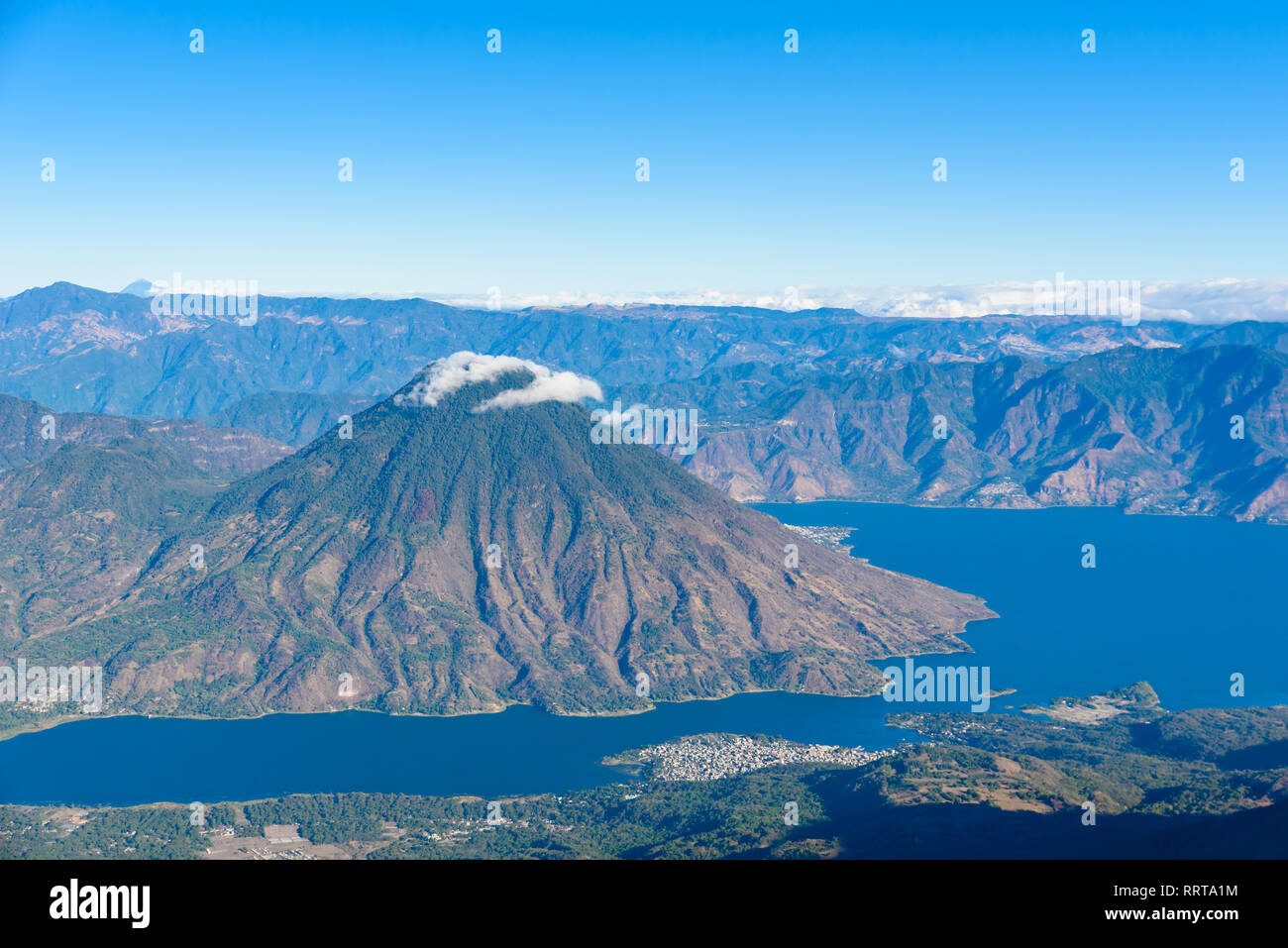
Lake Atitlán Mirador

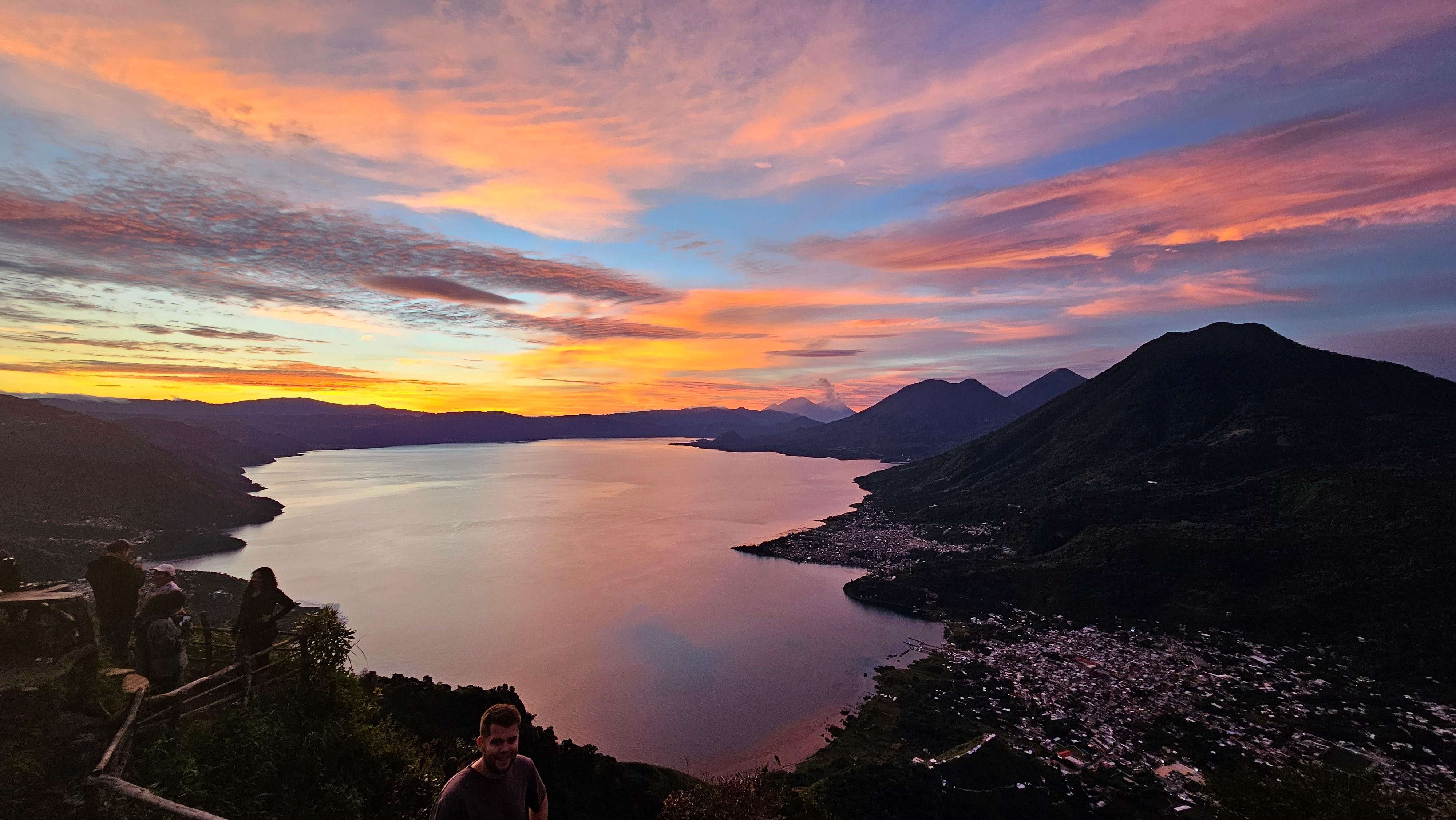
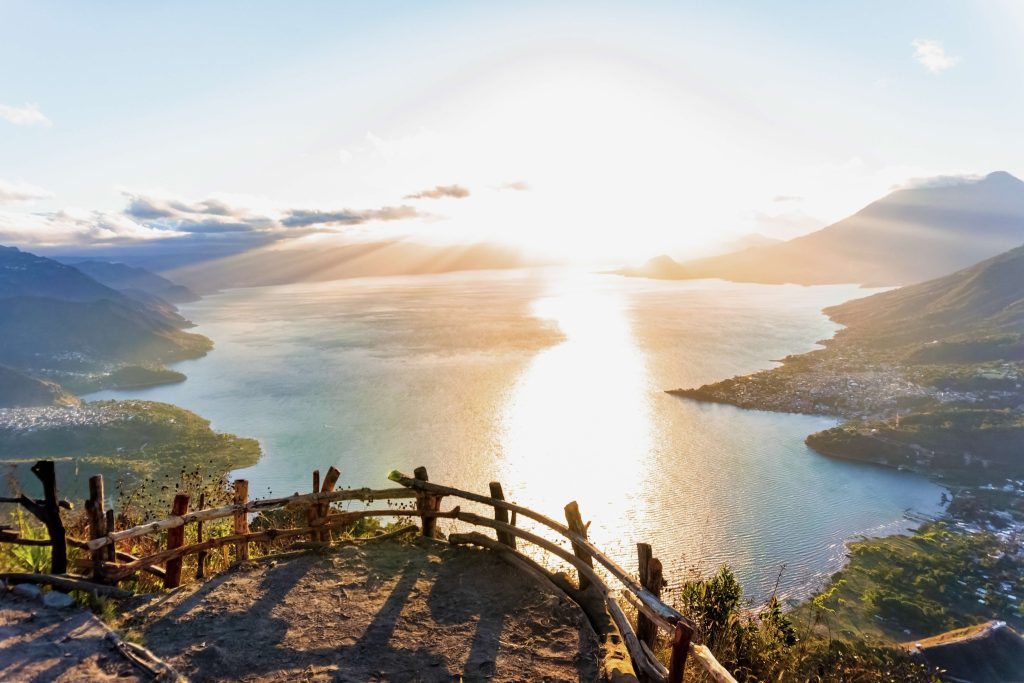
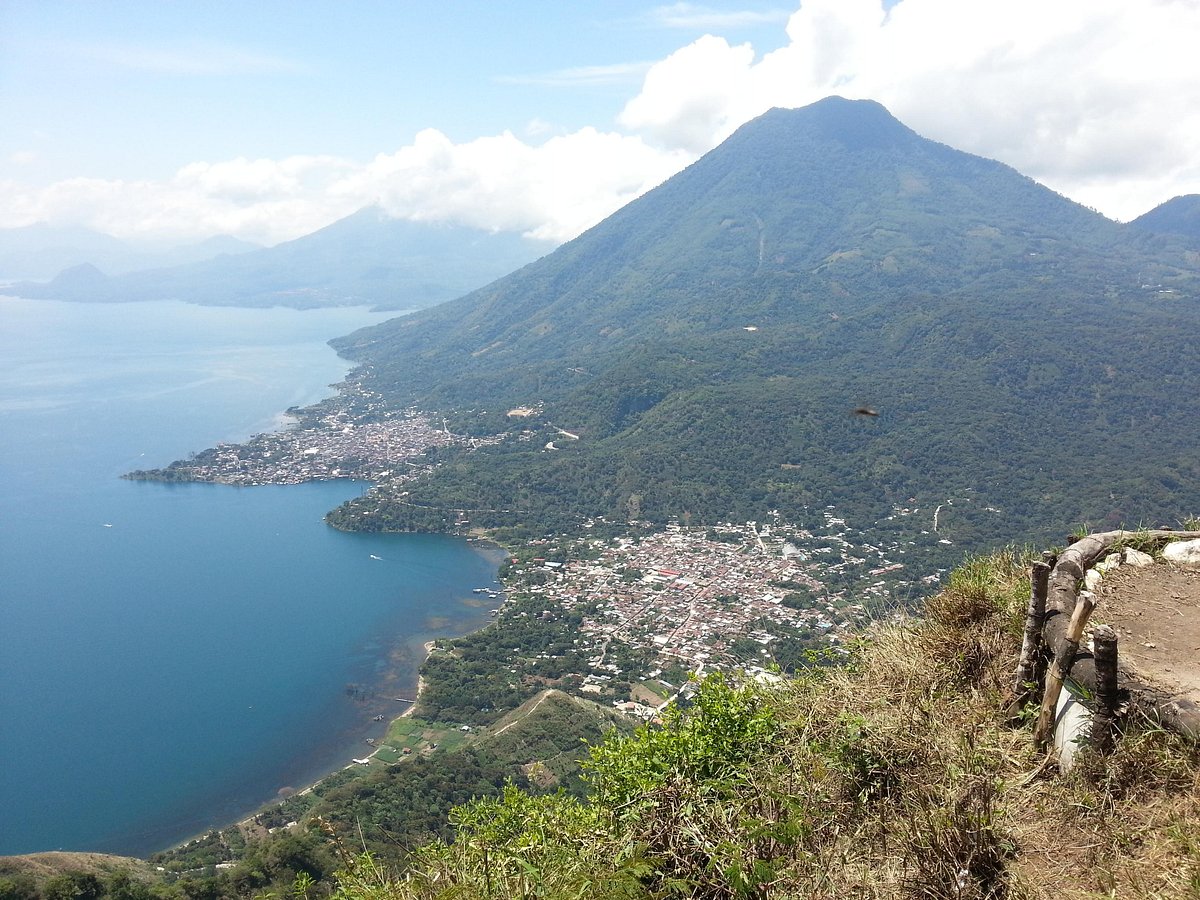
This is the defining payoff of the indian nose sunrise hike, with sunrise light washing across the lake basin and surrounding volcanoes. The view spans multiple towns and a broad water surface, so small shifts in cloud cover can change the scene minute by minute. Editorial sunrise landscape, wide basin view, soft dawn haze

San Buenaventura Bay

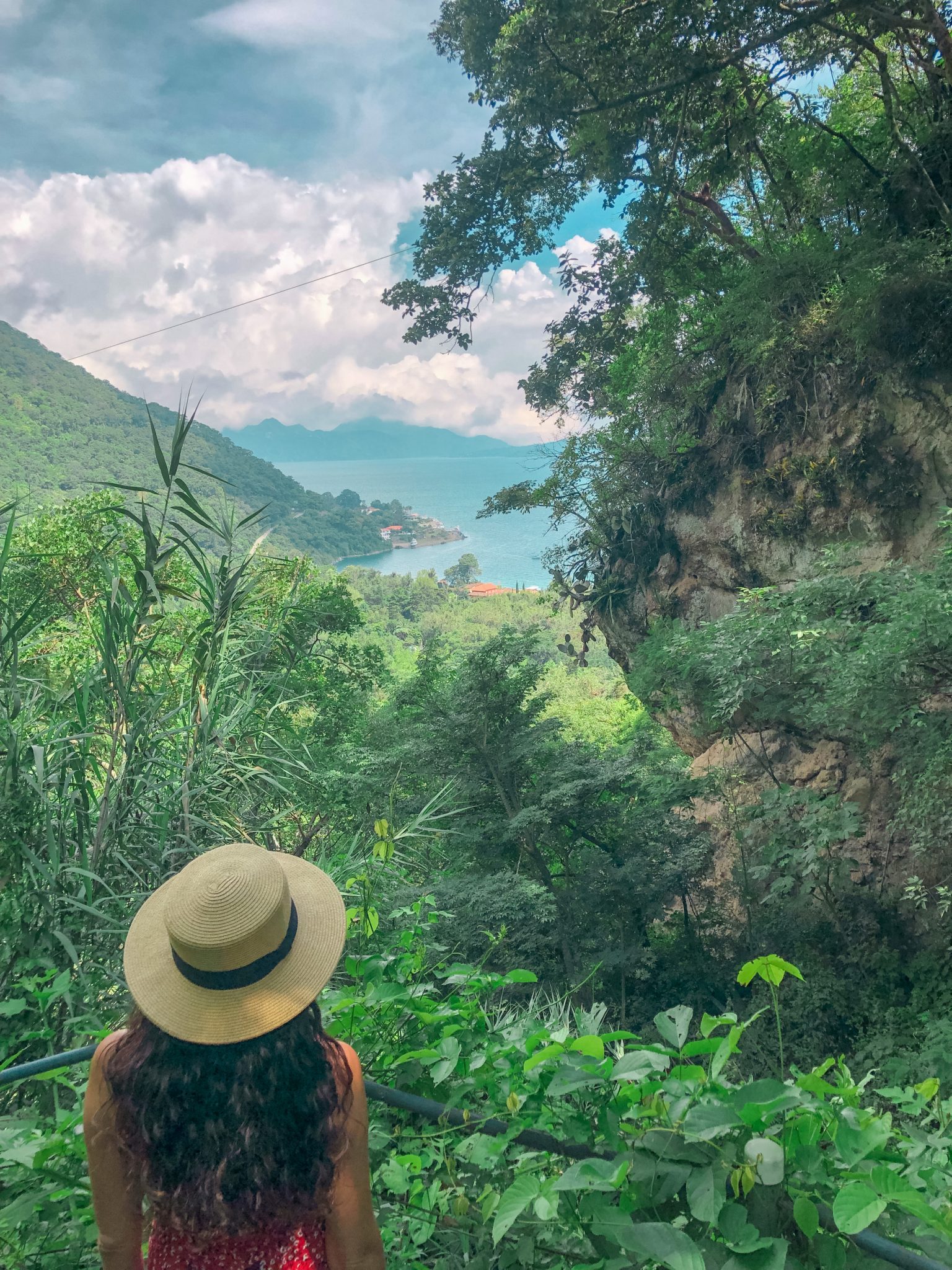
The reserve overlooks San Buenaventura Bay, a key foreground element in the approach to the hike. From here, the shoreline context helps explain why this part of Panajachel is such a strong sunrise base. Coastal-style lakefront composition, bay foreground, early light

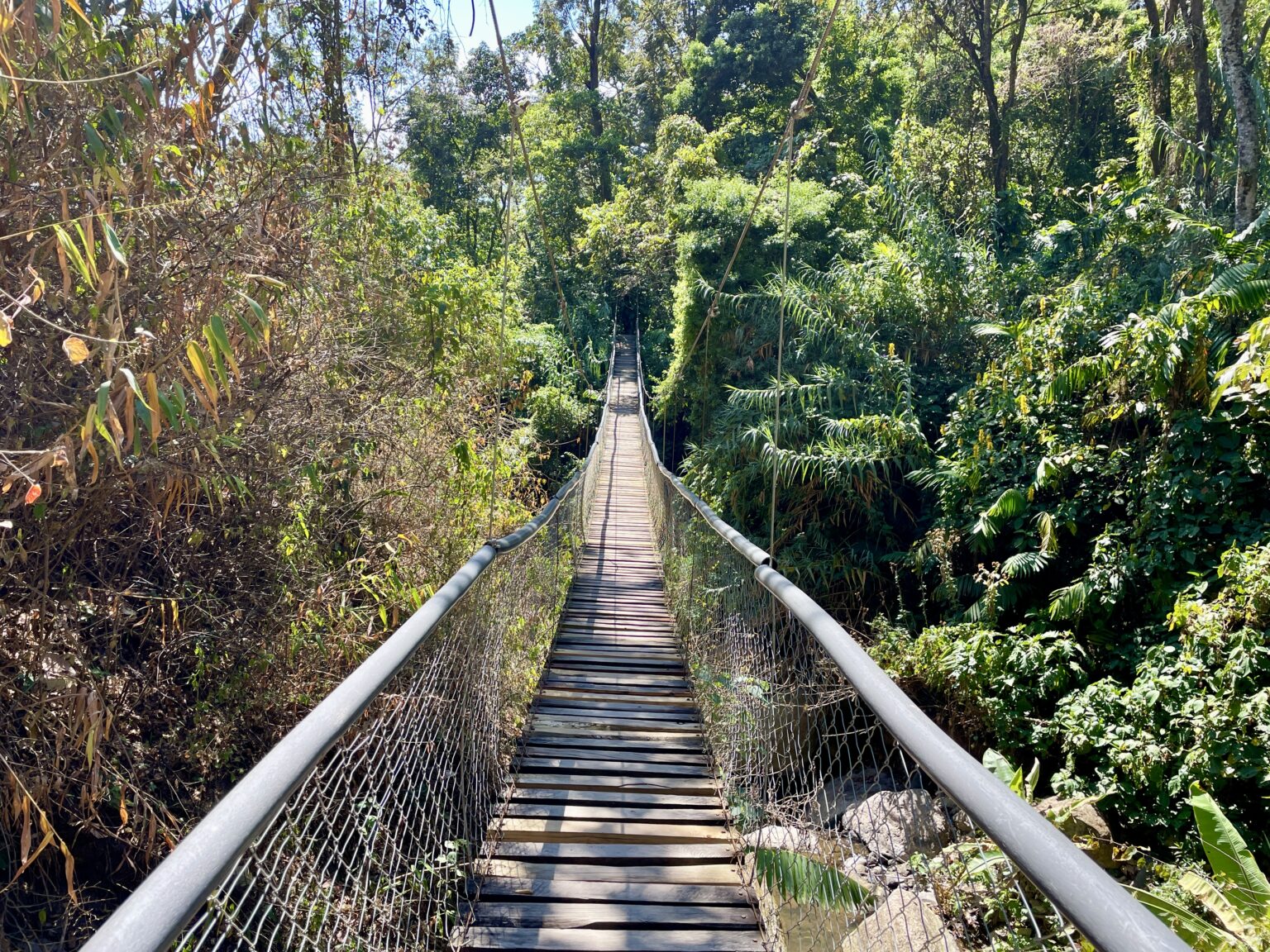
Hanging Bridge Network

The reserve’s trail system includes suspension bridges, which add vertical movement and a forest canopy feel to the outing. They also create short, photogenic transitions between trail segments rather than a single straight climb. Forest bridge scene, hikers crossing suspension bridge, misty morning

Coffee Grove Trail

One of the reserve’s longer loops crosses the coffee grove and several bridges, tying agriculture to the landscape. The trail description notes a comfortable circuit time of about 1 hour, making it a compact add-on around the sunrise outing. Lush coffee grove trail, morning light, natural textures

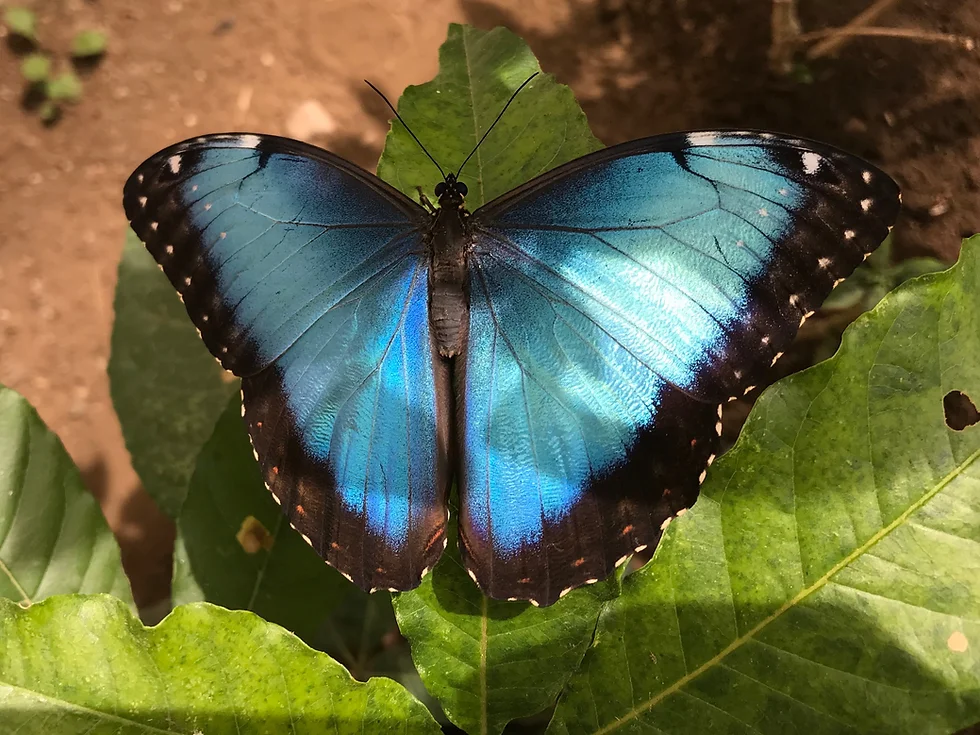
Butterfly Preserve

The butterfly area gives the reserve a softer ecological contrast to the ridge viewpoint. It is a useful stop if you want a slower pace after the hike and a closer look at the reserve’s biodiversity. Macro nature scene, butterfly habitat, green reserve setting

Private Lakeshore

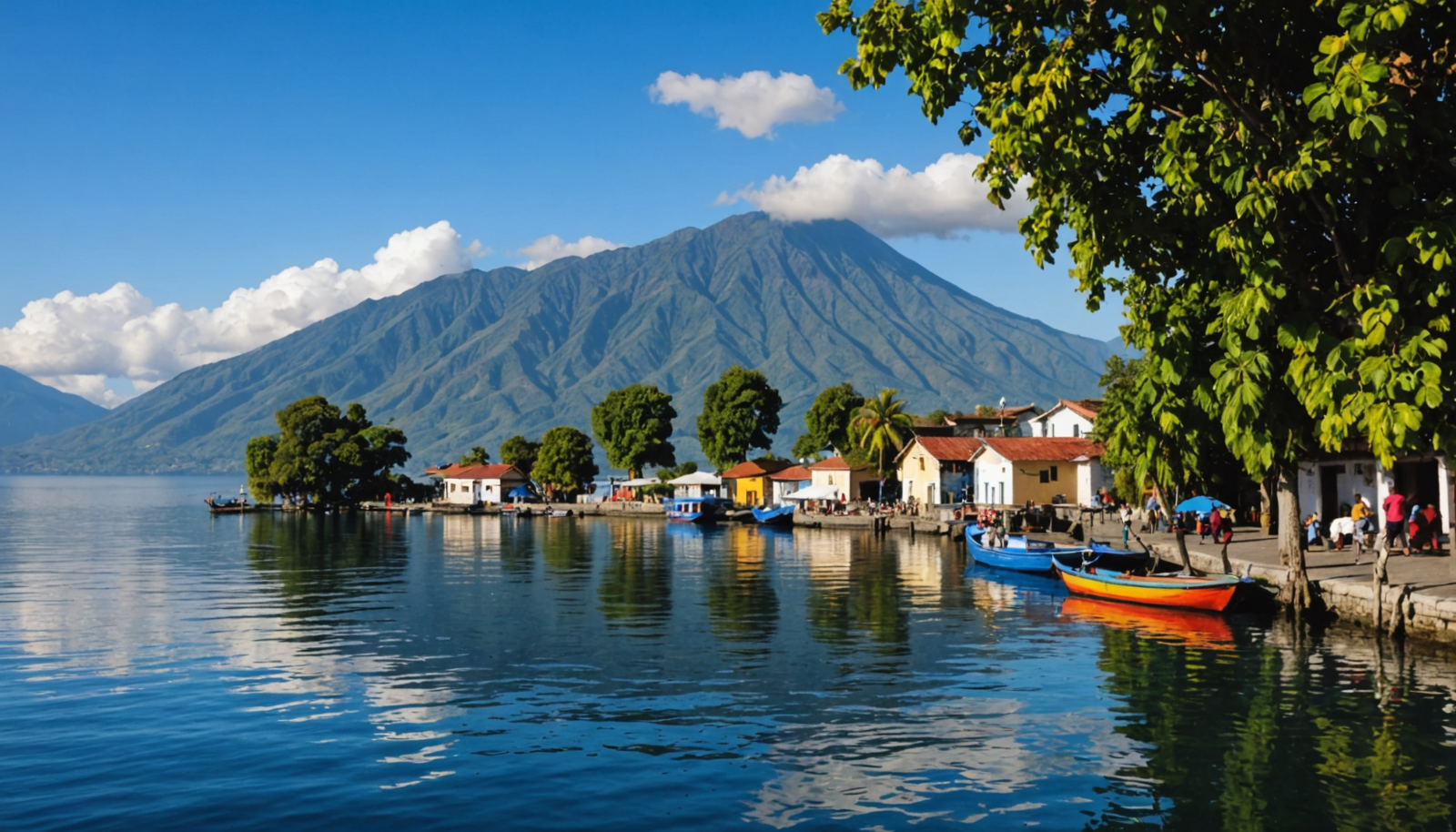
The private shore is one of the reserve’s most distinctive features because it lets you move from a high viewpoint to water level in the same visit. That contrast between summit perspective and lakeside calm makes the property unusually layered for a single-morning outing. Lakeshore at sunrise, calm water, natural shoreline

The experience

What visiting Indian Nose Sunrise Hike is really like

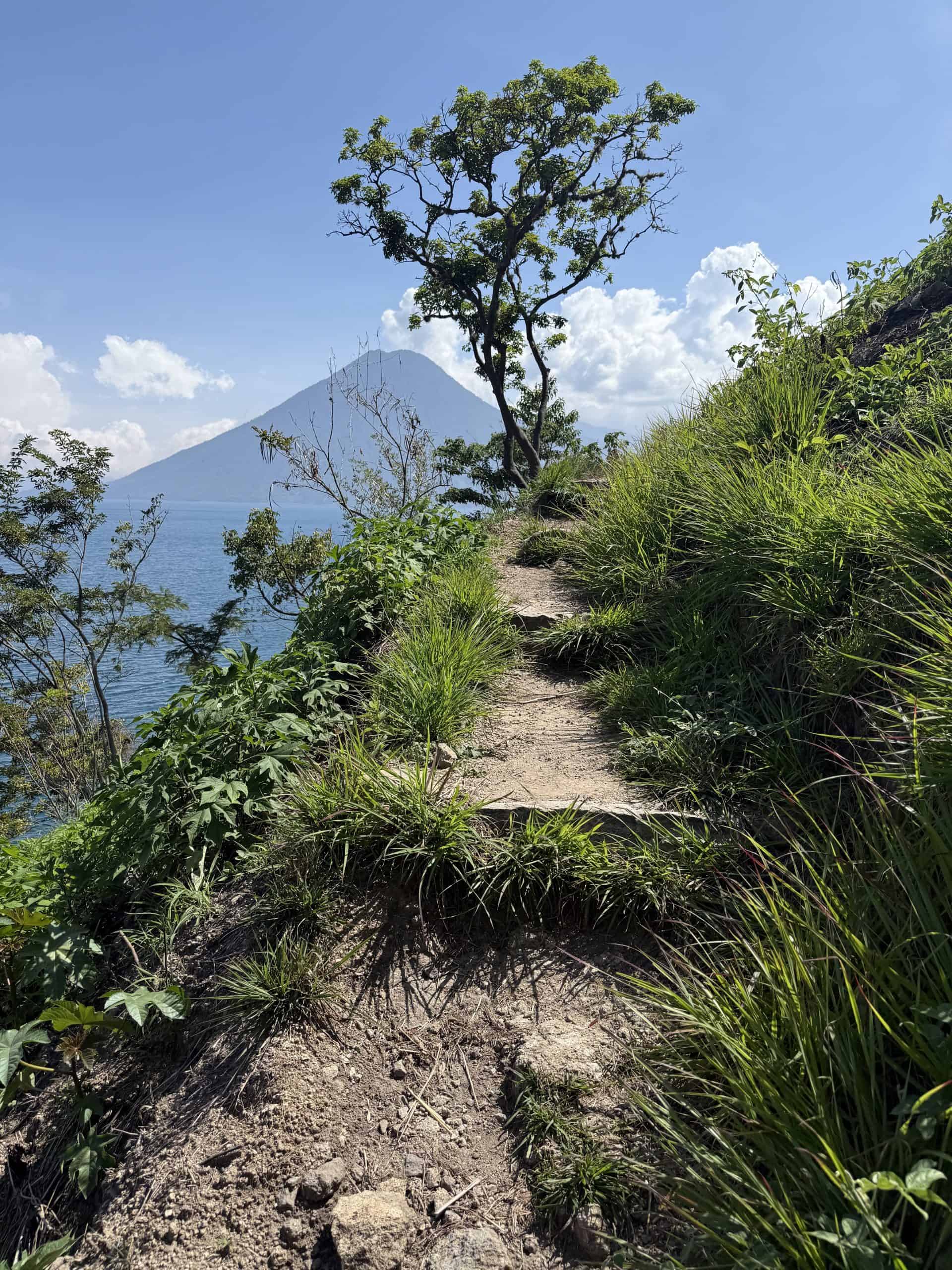
You start in the dark, headlamp trained on a dirt track that narrows within minutes into a single-file path between coffee bushes. The air smells of woodsmoke and wet earth. Your guide sets a slow pace and stops where the trail steepens, letting the group close up.

Read more Show less

Dogs from the finca follow for a while, then turn back.

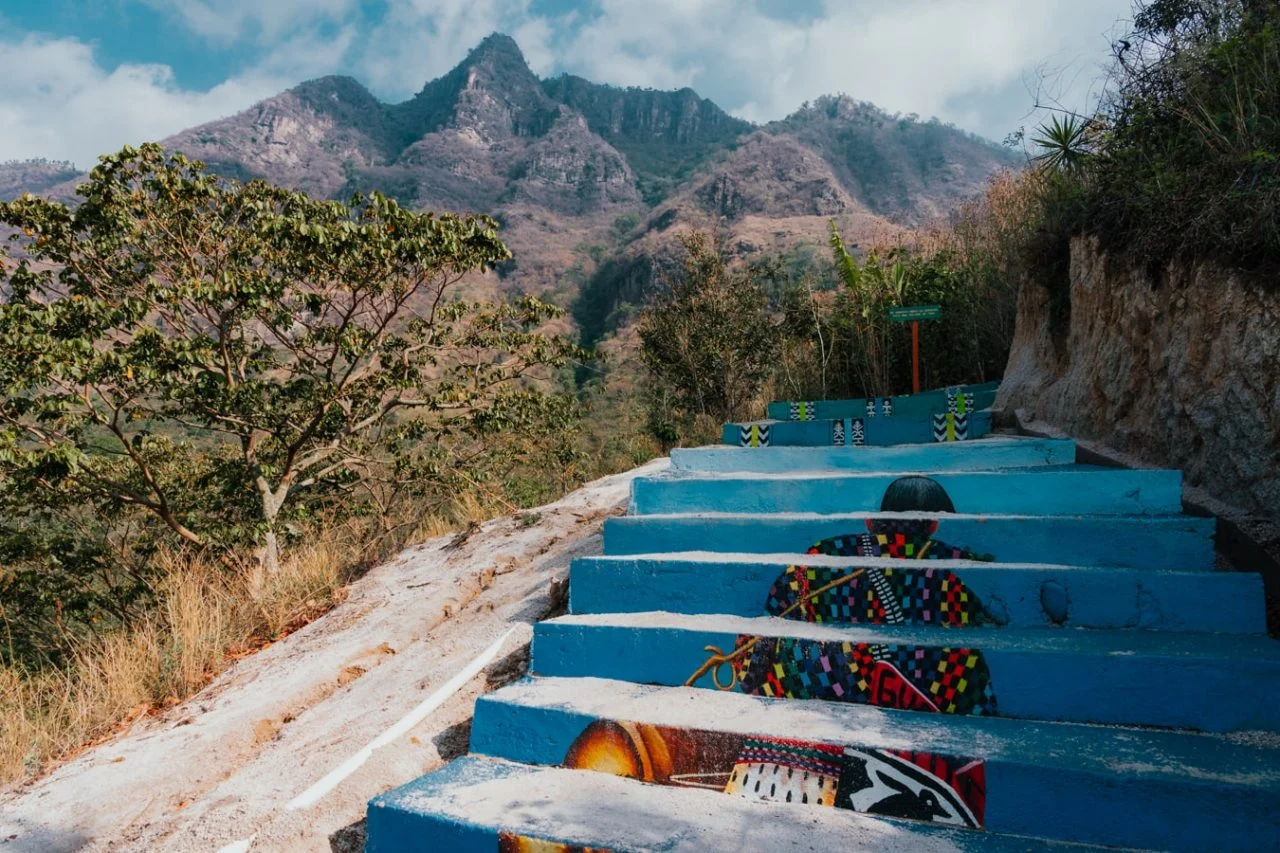
Higher, coffee gives way to pine and agave, and the wind changes. You pull on the layer you nearly left behind. Concrete steps appear at the last pitch, uneven and slick with dew, and then the ridge opens with no warning at all — a platform of rock and railing barely wider than a footpath. Indian Nose sunrise hike tickets are checked here, at a small gate staffed by the village association.

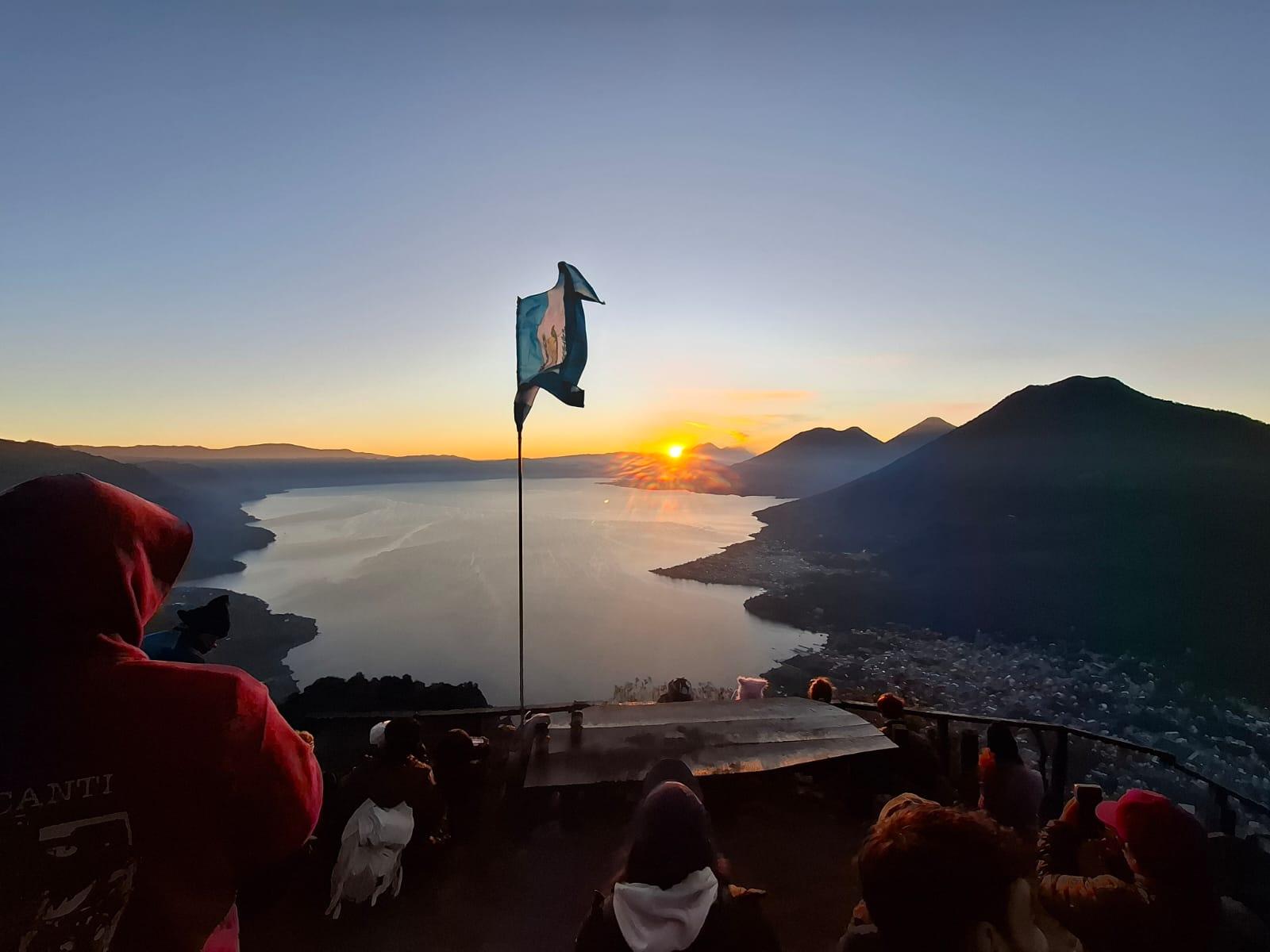
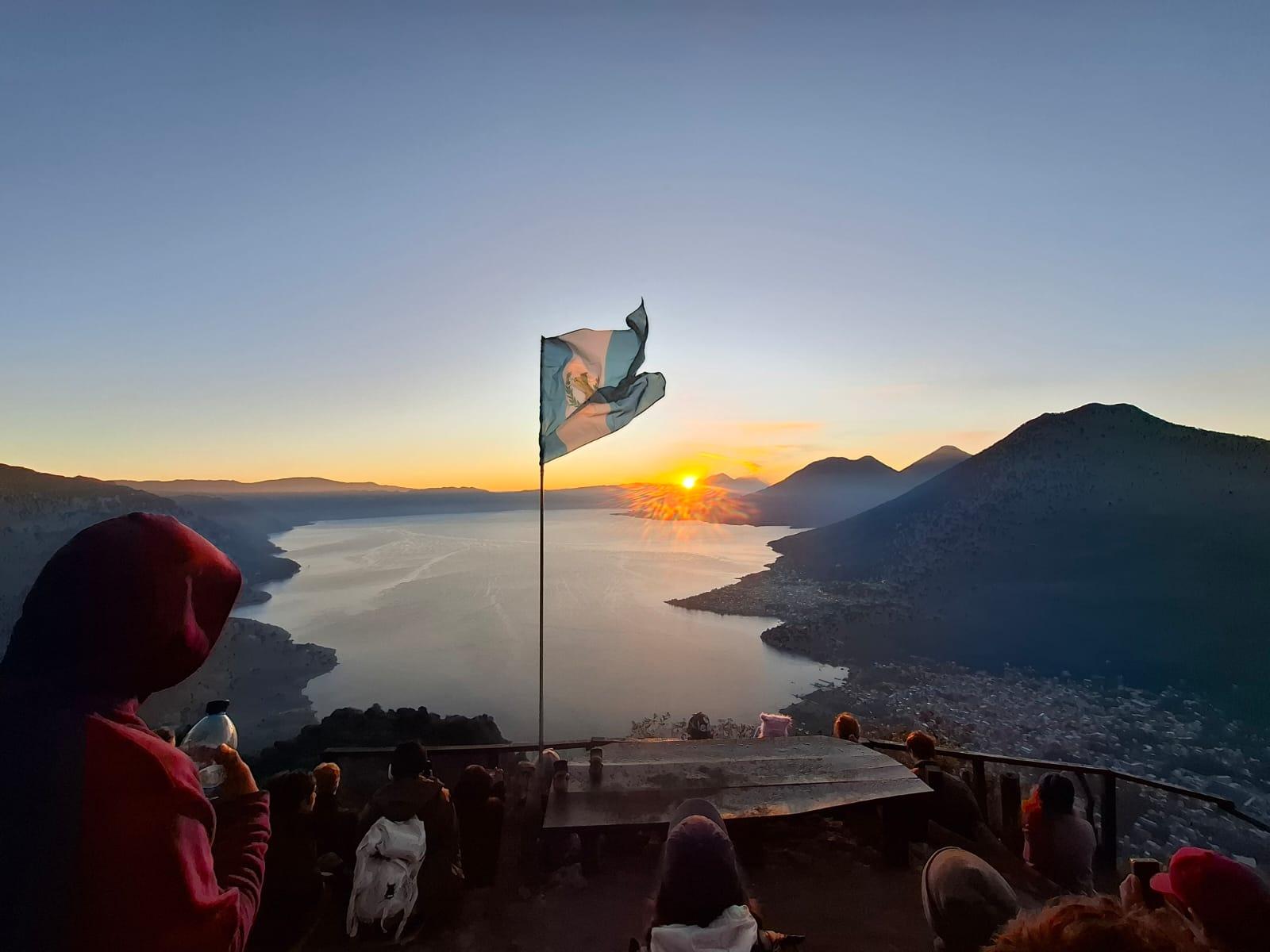
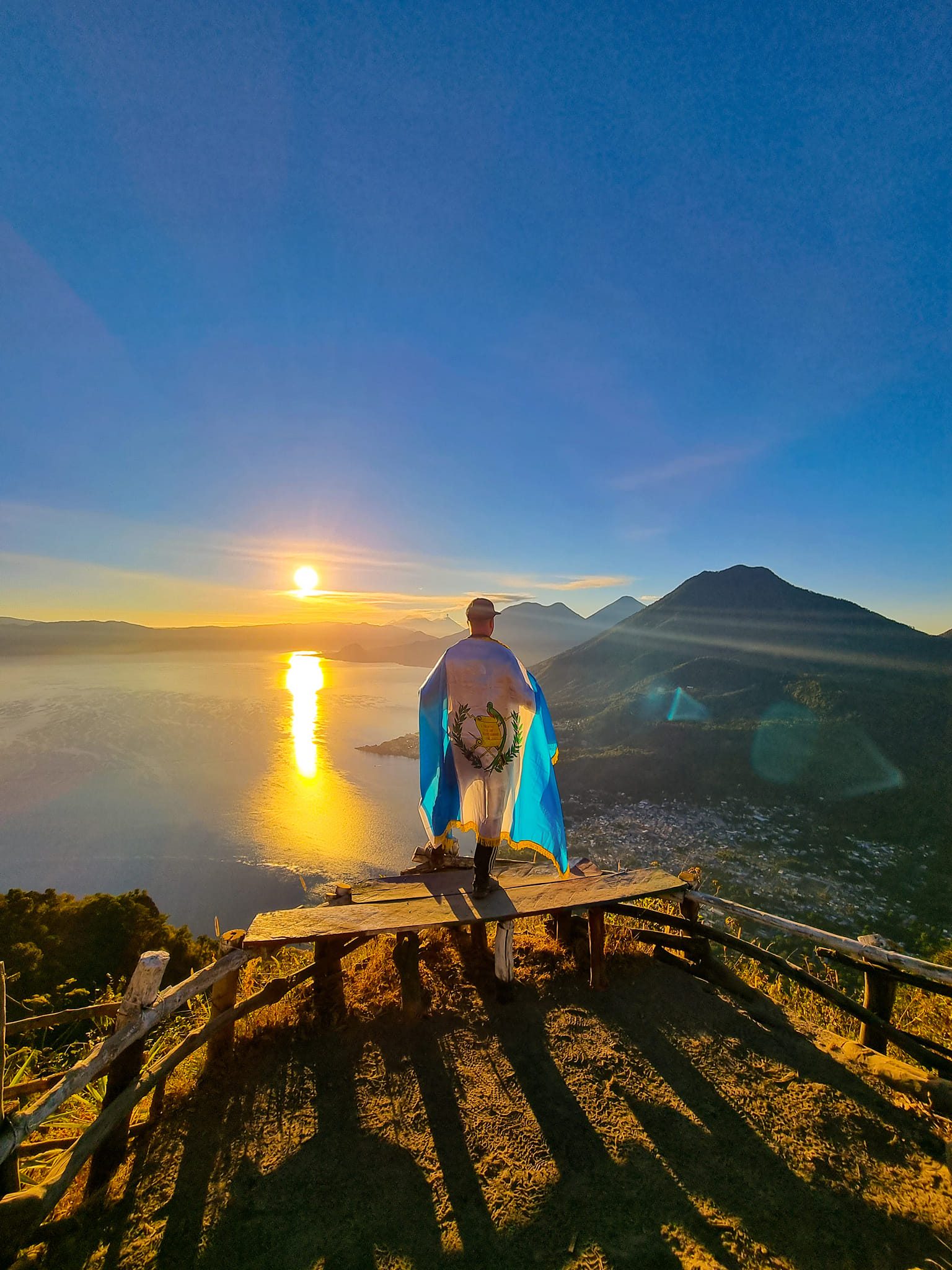
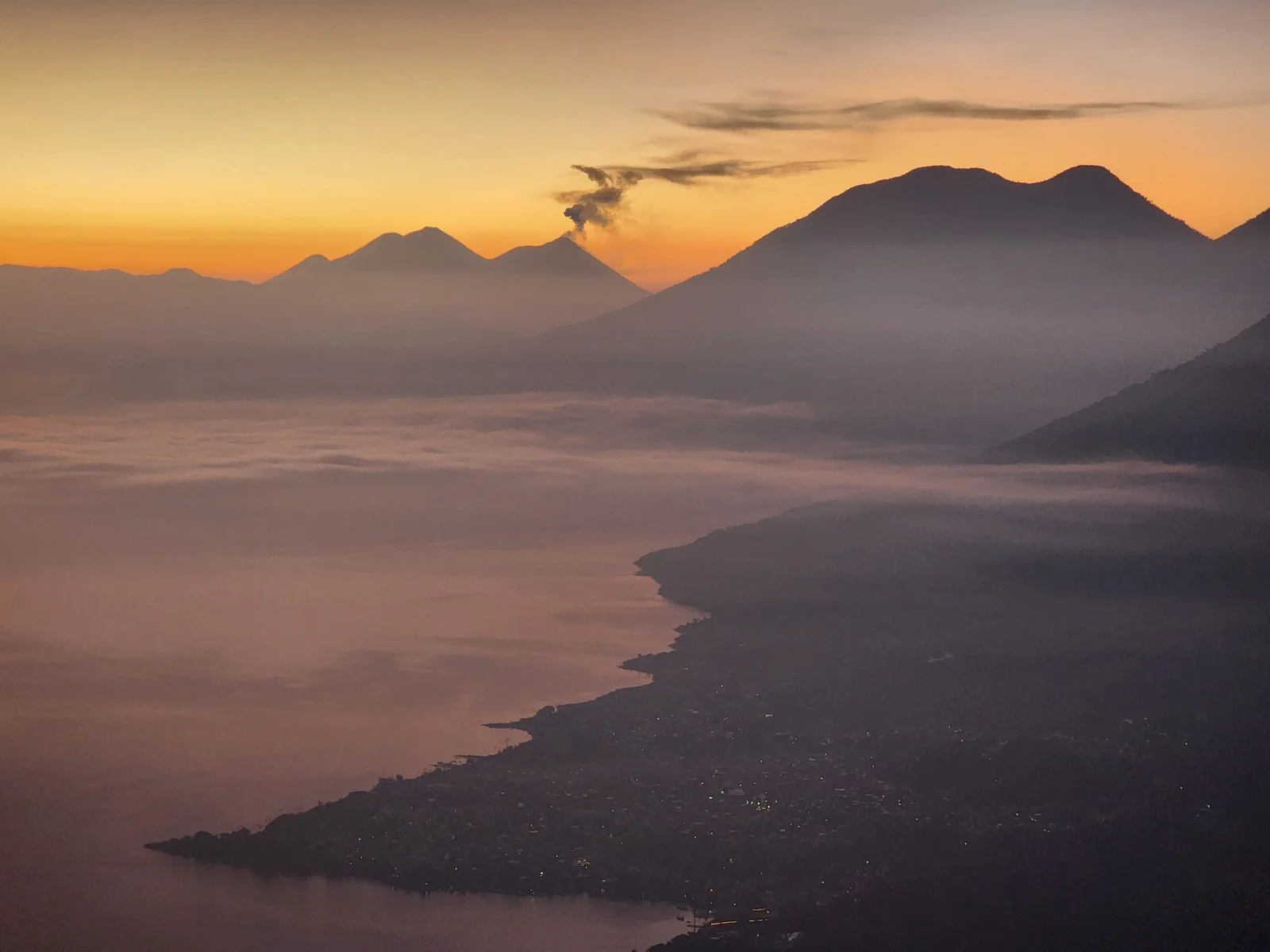
You sit. Below, the lake is still black. The volcanoes come first, San Pedro nearest, its cone hardening out of grey. Then the water turns pewter, then bronze. Cloud lies in the bays like spilled milk and lifts in pieces. Beside you, two walkers who came over from San Marcos unwrap bread; someone hands round instant coffee in a paper cup. On the descent you notice what the dark hid: cut maize, a hand-painted sign, a man carrying firewood uphill past you without breaking stride.

Indian Nose Sunrise Hike
Everything You Need to Know

Your complete Indian Nose Sunrise Hike guide

All the details about your upcoming adventure in one place

Indian Nose Sunrise Hike Above Lake Atitlán

The indian nose sunrise hike follows a steep footpath up the ridge locals call Rostro Maya, the reclining Maya face that rises over Lake Atitlán near Santa Clara and San Juan la Laguna. From the summit ridge, first light moves across the water and outlines the cones of San Pedro, Tolimán and Atitlán, often above a layer of cloud sitting in the basin. Most indian nose sunrise hike tours set out in full darkness with headlamps and Tz'utujil guides from the villages that manage the trail.

Lake Atitlán fills a caldera opened by an eruption roughly 84,000 years ago, one of the largest known in the Americas; its ash reached as far as Florida and the Pacific seabed. The ridge walked on the Indian Nose Sunrise Hike is a surviving edge of that collapsed rim.

Seen from a boat near Santa Cruz or San Marcos, the crest reads as a reclining human profile — forehead, brow, and the long slope of a nose. Tz'utujil and Kaqchikel families who farm its lower terraces call it Rostro Maya, the Maya Face, and Nariz del Indio.

The summit rises above San Juan la Laguna and Santa Clara la Laguna, near 2,800 metres. Its paths were cut by farmers moving between milpa plots, coffee terraces and firewood stands long before any visitor walked them for the view. Community associations from the surrounding villages administer access and collect the 80 GTQ entry fee at the gate, a system that keeps the trail under local rather than external control. The colonial name Nariz del Indio is increasingly set aside in favour of Rostro Maya, a shift visible on trail signage and in the way guides now introduce the place.

Approach shapes the experience. An Indian Nose sunrise hike from Panajachel crosses open water by lancha before the road switchbacks toward Santa Clara; walkers starting in San Juan face a steeper, shorter climb through coffee. Routes from San Marcos and San Pedro join the same upper track below the antenna post. Guides from the lakeside villages read the weather by the behaviour of cloud inside the caldera, and their judgement matters more than any forecast. The ridge is narrow, exposed, and colder than the shoreline by several degrees.

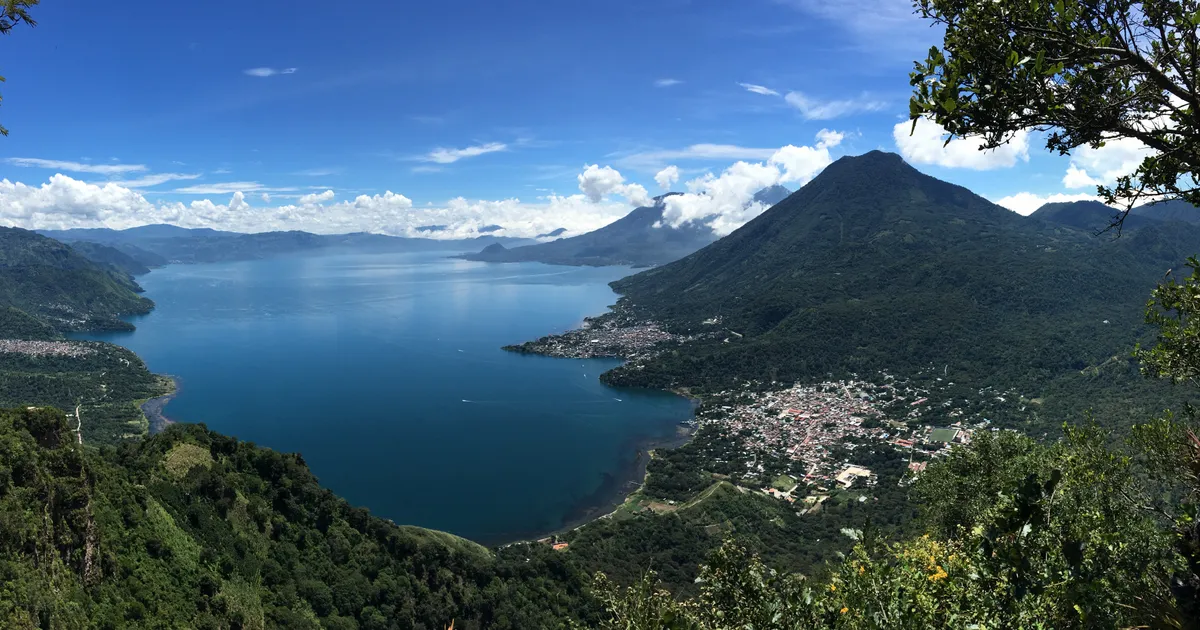
What the crest offers is geography made legible. Volcán San Pedro stands directly opposite; Tolimán and Atitlán rise behind it in a single line, their flanks dropping into water more than 300 metres deep. On clear mornings Fuego and Acatenango appear on the eastern horizon, some sixty kilometres away, Fuego often venting a grey plume. Cloud pools in the bays below and burns off in sequence, village by village. Indian Nose sunrise hike tours have made this the most photographed vantage on Lake Atitlán, yet the ridge remains a working landscape: hoes stacked by the gate, dogs from the finca, maize standing on the slope beneath the lookout.

The ridge is a working landscape before it is a viewpoint: hoes by the gate, maize on the slope beneath the lookout.

Dress code

Wear closed-toe shoes with grip, since the indian nose sunrise hike is a trail experience rather than a paved promenade. A light layer is useful for dawn before the sun warms the ridge above Lake Atitlán.

Bags & security

Carry a small daypack only; the reserve is built around trails, bridges, and outdoor viewpoints. Keep valuables minimal and use a zippered bag so your hands stay free on steep or uneven sections.

Photography

Photography is straightforward on the lake and volcano viewpoints, and the reserve’s official pages emphasize scenic trail views and the San Buenaventura bay. Use a headlamp or phone light for pre-sunrise walking, but avoid bright flash that can distract other hikers.

Families & strollers

Families can visit the broader reserve, but the sunrise hike itself suits older children who can handle an early start and uneven footing. The reserve sells child tickets for younger visitors, but the summit hike is still a physical outing.

Accessibility

The terrain is natural and includes trails and hanging bridges, so the indian nose sunrise hike is not suitable for wheelchairs or anyone needing step-free access. If mobility is limited, this is a poor fit unless your guide can confirm an easier access route.

Food & drink

Pack water and a simple snack, and keep all consumption to designated rest moments on the trail or at your lodging before you start. The reserve’s site highlights a restaurant, but it does not publish a rule allowing trail picnics, so avoid leaving litter.

Not allowed

× littering × single-use plastic waste × glass bottles × alcohol × drugs × firearms × fireworks × drones × portable speakers × open flames × camping outside designated areas

What to bring

✓ water ✓ snack ✓ headlamp ✓ closed-toe shoes ✓ light jacket ✓ cash in GTQ ✓ phone charger ✓ rain layer

Opening hours

Mon 08:00 – 17:00

Open daily

Tue 08:00 – 17:00

Open daily

Wed 08:00 – 17:00

Open daily

Thu 08:00 – 17:00

Open daily

Fri 08:00 – 17:00

Open daily

Sat 08:00 – 17:00

Open daily

Sun 08:00 – 17:00

Open daily

How to get there

At a glance

Hours

Mon–Sun 08:00–17:00

Address

Antigua Finca San Buenaventura, Panajachel, Sololá, Guatemala

Access

Natural trails and uneven surfaces; check route fit before going

Best arrival

08:00–09:00 for best light and fewer crowds

Fees

Adult entry fee: 80 GTQ

Official site

https://www.atitlanreserva.com/en/atracciones

Getting there

Public transport · 10–20 min from center · Low to moderate, depending on pickup point

From Panajachel, local tuk-tuks and short taxi rides are the practical last-mile options to the reserve on the lakeshore side of town. If you are coming by boat, finish with a taxi from the dock to Antigua Finca San Buenaventura.

Taxi · 10–15 min · Moderate local fare

A taxi from central Panajachel is the simplest option for a sunrise start, especially before many shops open. Ask for Antigua Finca San Buenaventura, Panajachel, Sololá, Guatemala.

Walk · 20–30 min · Free

The reserve says it is about 1.5 km from the center of Panajachel, so walking is possible if you do not mind an uphill or uneven last stretch before dawn. Use a light and stay on the main road rather than cutting across dark paths.

Car · 5–15 min from Panajachel · Fuel and parking only

Drive directly to the official address and use the reserve’s parking area if available on arrival. This is the easiest option if you are combining the indian nose sunrise hike with a longer reserve visit.

Cancellation policy

The adult entry fee is 80 GTQ, and the official site does not publish a cancellation or refund policy for day visits. If you book a guided indian nose sunrise hike tour through a third party, use that operator’s terms for any refund window.

Plan your time

Indian Nose Sunrise Hike Guide: How Long It Takes and When to Go

Recommended time

2-3 hours

For an indian nose sunrise hike, reserve 2-3 hours total if you only want the dawn viewpoint and a short buffer for entry, walking, and photos. The quietest rhythm is to arrive before sunrise, then stay a little after first light so the crowd thins once the main viewing burst passes. If you are adding breakfast, lingering on the ridge, or waiting for a shuttle back, plan closer to half a day. Tickets and access are handled at the reserve, so a small queue is possible near opening, but the real pressure point is the pre-sunrise arrival window rather than the mid-morning hours.

Crowd levels through the day

Pre-dawn arrival Quiet
Sunrise hour Busy
Early morning Moderate
08:00-09:00 Best window
Late morning Light
Afternoon Light
Plan ahead

Best time to visit Indian Nose Sunrise Hike

Weather · crowds · average price — dots go green to amber to red as each metric rises.

Spring

Clear mornings are often best for the indian nose sunrise hike, with relatively stable lake views and comfortable dawn temperatures. Late dry-season conditions usually give the cleanest horizon over Lake Atitlán.

Summer

Mornings can be cloudier and wetter, but sunrise breaks can still reward early hikers. Expect more atmospheric lake colors and a higher chance of mist around the volcanoes.

Autumn

Shoulder-season weather can be mixed, so the trail may feel quieter but less predictable. Bring a rain layer because showers can arrive quickly around the basin.

Winter

The dry season window often gives the clearest visibility for a Lake Atitlán sunrise. This is also when early starts feel coolest before the sun reaches the ridge.

December to March

This is the most reliable period for a crisp indian nose sunrise hike, especially for photography. Start during the reserve’s published morning opening window so you can pair the viewpoint with the rest of the property.

Insider tips

Helpful tips for visiting Indian Nose Sunrise Hike

Confirm your pickup time the night before

Early departures for the indian nose sunrise hike are easiest when your transport is fixed in advance. A late start can make you miss the best light window from 08:00–09:00 at the reserve.

Carry cash in small notes

The reserve lists an adult entry fee of 80 GTQ, and smaller notes make check-in faster. Cash is also helpful if you are paying a local taxi or tuk-tuk from Panajachel.

Start with enough daylight to descend safely

The hike is often sold as a sunrise outing, but the return trail is still uneven after dawn. Watch footing on loose ground and avoid rushing for photos on the way down.

Use layers you can remove quickly

Mornings on the lake can feel cool, then warm rapidly once the sun rises. A compact jacket is easier to manage than bulky clothing on a steep trail.

Keep your phone battery in reserve

You may need your phone for timing, photos, and return logistics. Low-light hiking and camera use drain batteries fast, so a full charge before departure helps.

Treat this as a nature-reserve visit, not just a viewpoint stop

The official site emphasizes trails, bridges, shore access, and wildlife encounters, so the indian nose sunrise hike can be part of a broader day. If you have extra time, the reserve’s trail network makes a good follow-on visit.

Where to meet

Indian Nose Sunrise Hike meeting points

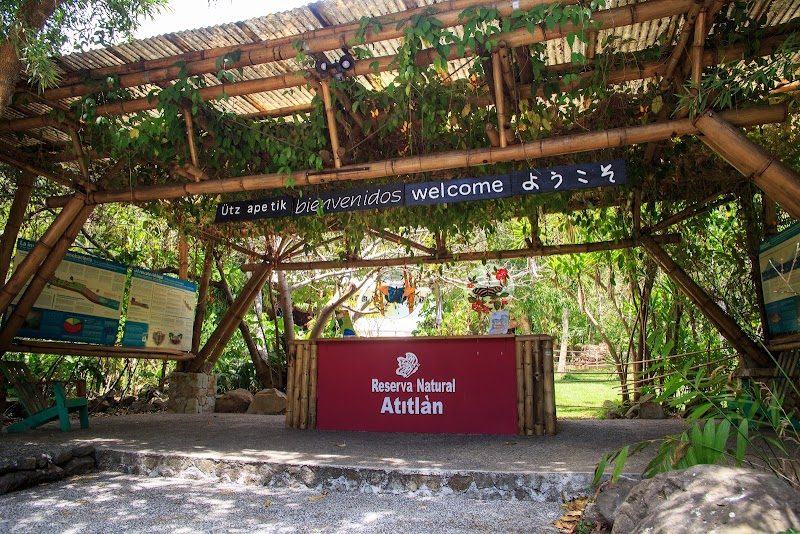
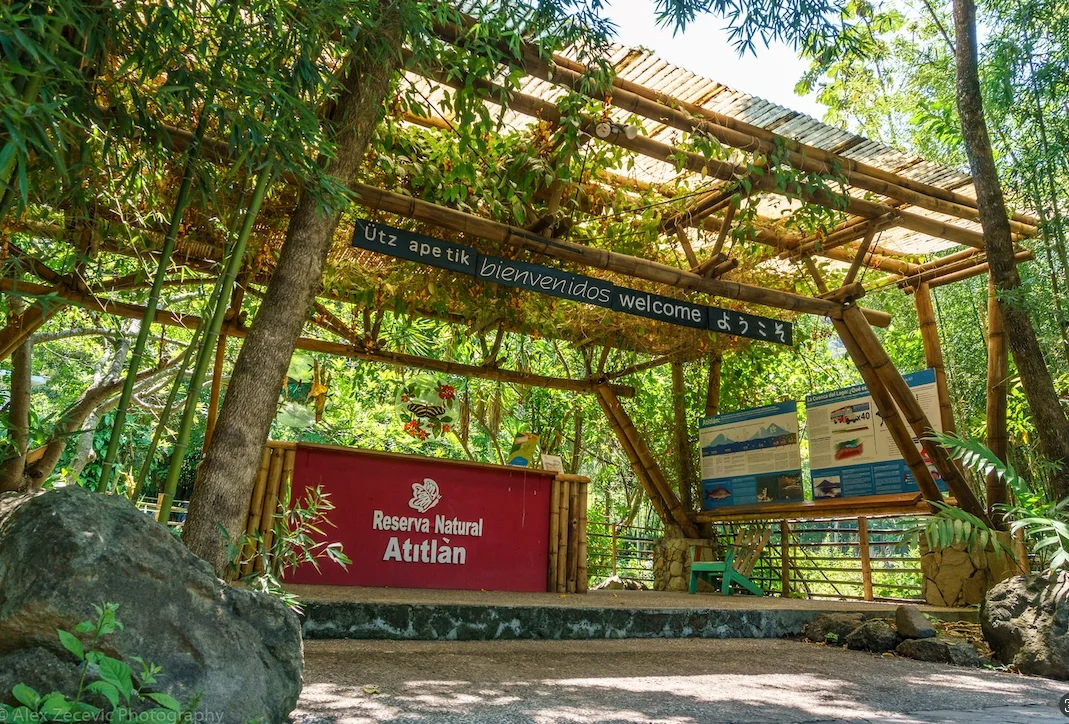
Atitlan Reserva main entrance

Atitlan Reserva main entrance

Antigua Finca San Buenaventura, Panajachel, Sololá, Guatemala

Best starting point for trail access

Get directions
The story

The Story Behind Indian Nose, Mirador Kaqasiiwaan, and the Mayan Face

The ridge is far older than any name given to it. Its rock dates from the Los Chocoyos eruption of roughly 84,000 years ago, when a collapsing volcano left the caldera that Lake Atitlan now fills. From the water the crest reads as a reclining human profile: forehead, nose, lips, chin. Spanish speakers named it Nariz del Indio. The Tz'utujil of San Juan la Laguna know the summit as Kaqasiiwaan. The indian nose sunrise hike inherited its English name from that silhouette. The ridge held meaning long before it held a trail. Until 1524, when Pedro de Alvarado's forces broke the Tz'utujil kingdom at its fortified capital of Chuitinamit, the highland above the lake formed part of a sacred geography, and Maya altars still stand along the crest. Many residents prefer the name Rostro Maya, the Mayan Face, to the colonial term. Guides on modern indian nose sunrise hike tours often open with that correction. Foreign attention arrived slowly. Aldous Huxley described the lake in 1934 as too much of a good thing, and his comparison with Lake Como fixed Atitlan in the traveller's imagination. Guatemala declared Parque Nacional Lago de Atitlan in 1955. The earthquake of February 1976 and the long civil war then kept the western villages, San Juan and Santa Clara la Laguna, largely unvisited. No one yet sold a dawn indian nose sunrise hike tour. The 1996 Peace Accords changed that. Community tourism committees in Santa Clara la Laguna and San Juan la Laguna cut and maintained the summit paths, and the two municipalities have since run their own gates and guides. Hurricane Stan, in 2005, reshaped the lakeshore below. What survives is a working viewpoint over the San Pedro, Toliman and Atitlan volcanoes, still locally held, where indian nose sunrise hike tickets fund the villages that keep the trail open.

84,000 BP

The Los Chocoyos eruption collapses a volcanic cone and forms the caldera that becomes Lake Atitlan.

Pre-1524

Tz'utujil Maya govern the western lake from the fortified capital of Chuitinamit, with ceremonial altars set along the surrounding ridges.

1524

Pedro de Alvarado defeats the Tz'utujil and the lake basin passes under Spanish colonial rule.

1934

Aldous Huxley publishes Beyond the Mexique Bay, comparing Atitlan to Lake Como and drawing foreign readers to the region.

1955

Guatemala declares Parque Nacional Lago de Atitlan, giving the basin formal protected status.

1976

The February earthquake devastates the Guatemalan highlands and halts what little visitor traffic the western villages received.

1996

The Peace Accords end the civil war and reopen San Juan and Santa Clara la Laguna to outside visitors.

2005

Hurricane Stan triggers landslides across the Atitlan basin, forcing lakeside communities to rebuild and reorganise local tourism.

Photo spots

Best Photo Spots on the Indian Nose Sunrise Hike in Lake Atitlan

Ridge Summit Lookout

Ridge Summit Lookout

Best light · Before 09:00

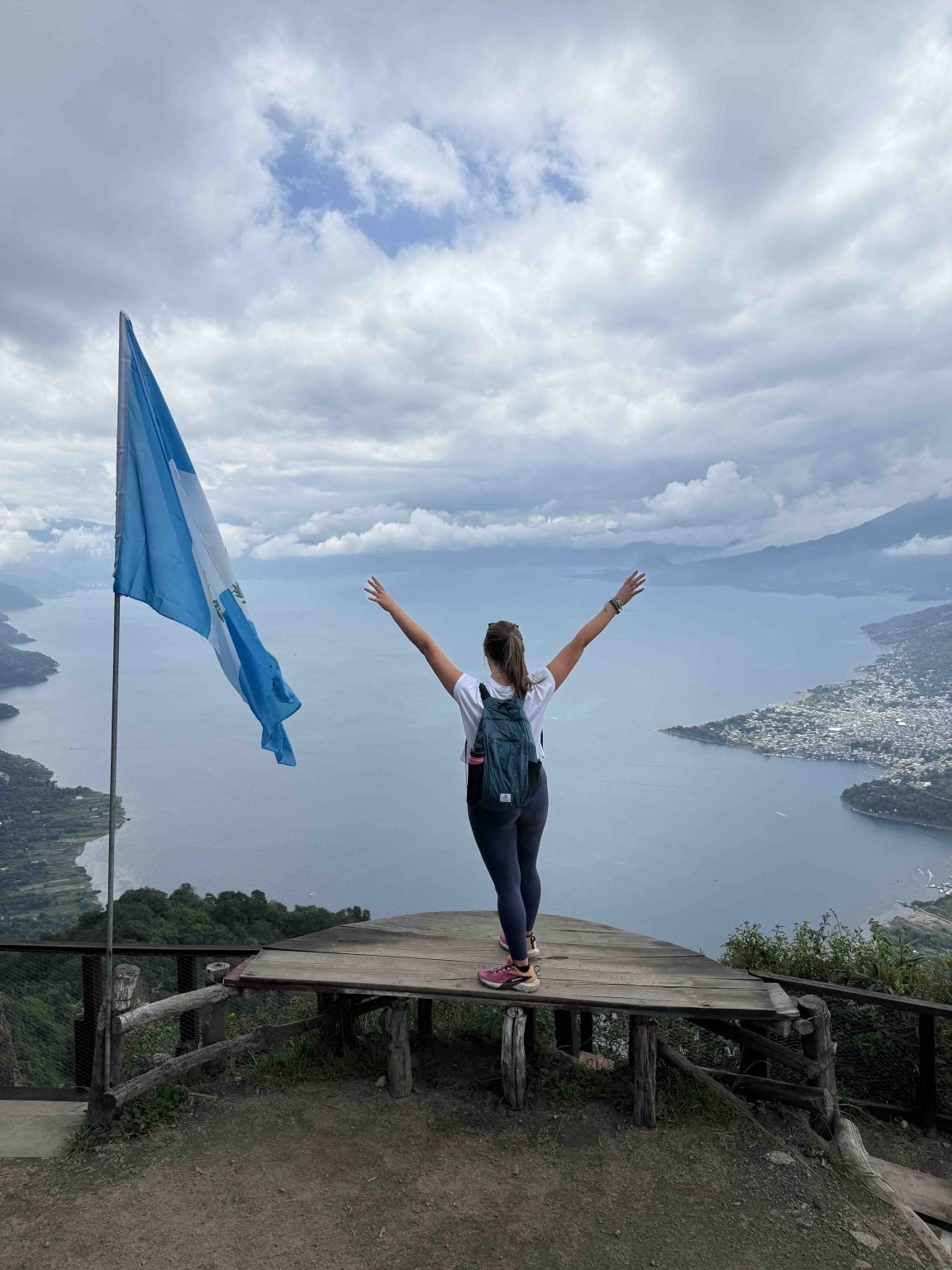
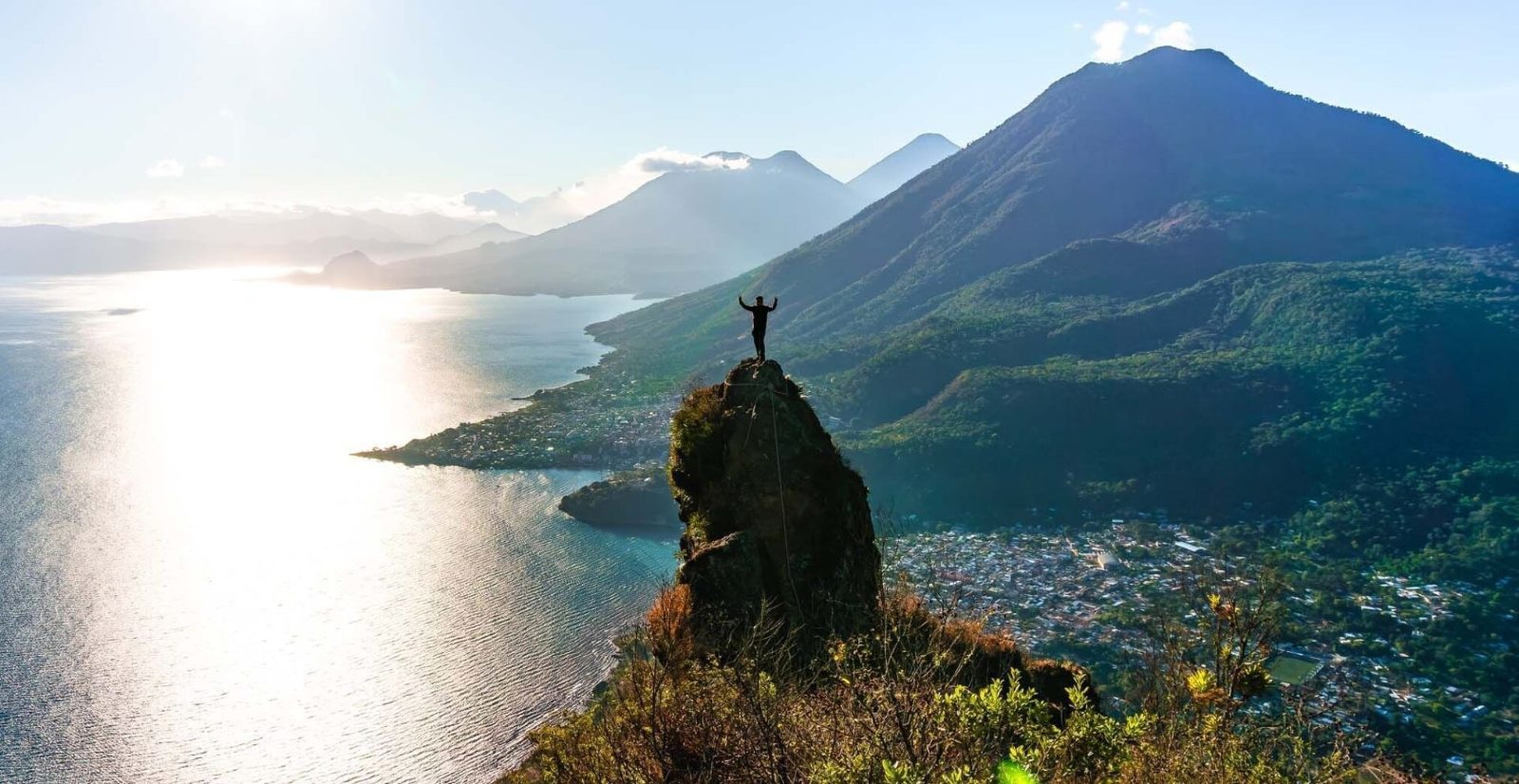
Stand on the highest open point of the ridge for the classic Lake Atitlan panorama, with the water filling the foreground and the volcano chain lined up beyond it. This is the core frame for the indian nose sunrise hike, so keep a little space on the edge side for a clean wide shot without other visitors in frame.

Eastern Edge Sunrise Angle

Eastern Edge Sunrise Angle

Best light · Golden hour

Move to the eastern lip of the lookout to catch the sun lifting over the volcanoes and lighting the lake from one side. The low angle works best when you keep the horizon level and use the ridgeline as a natural leading line toward the water.

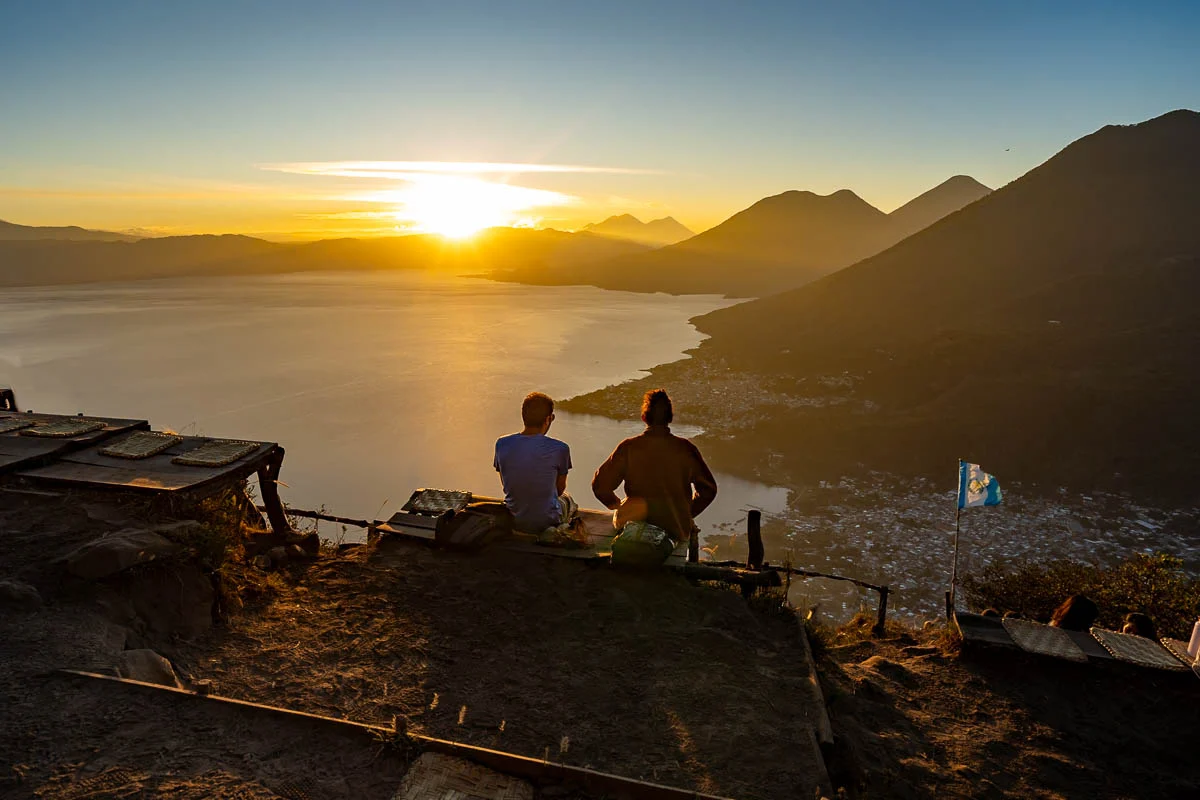
Volcano-Facing Bench Spot

Volcano-Facing Bench Spot

Best light · Early light

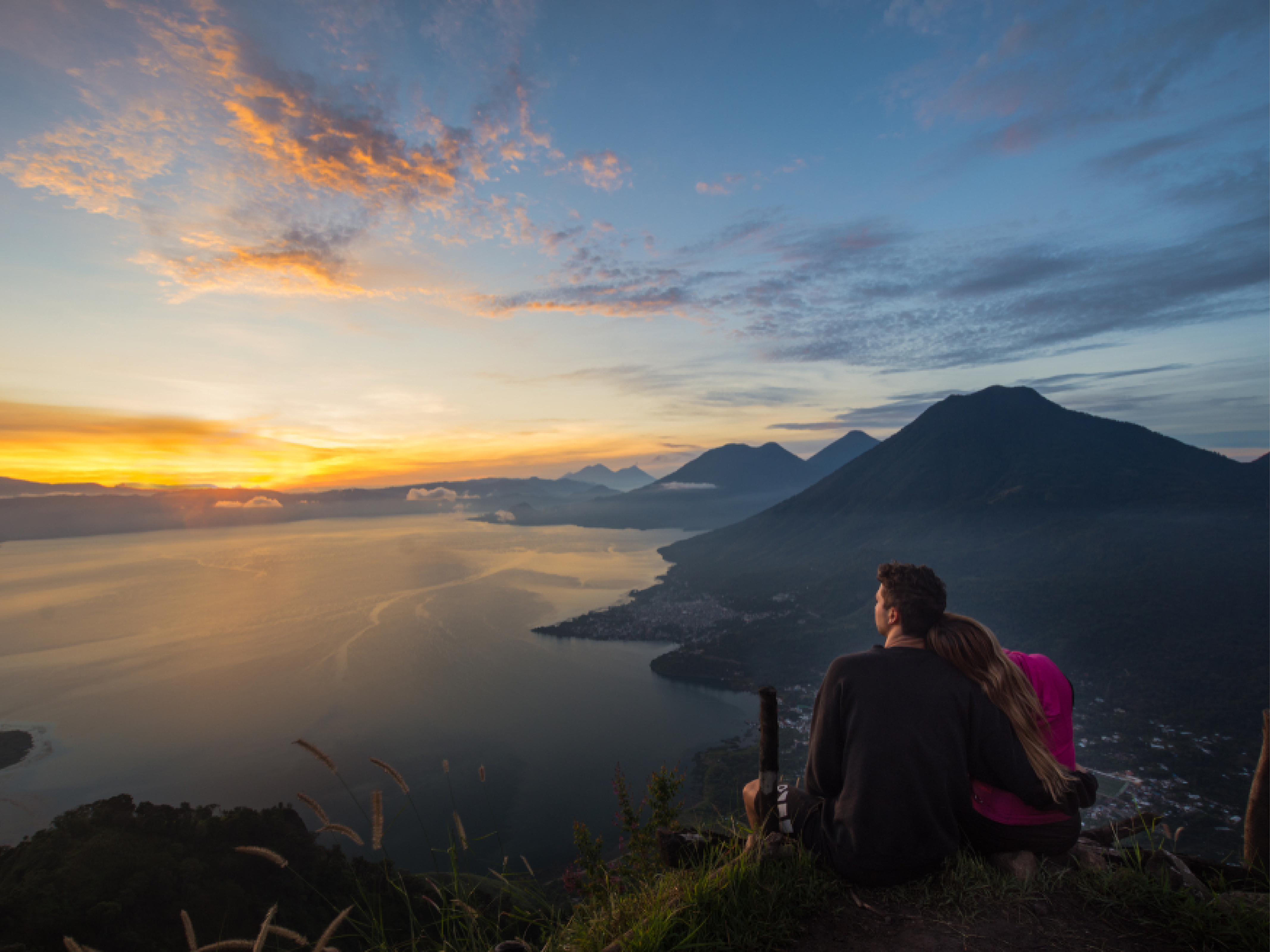
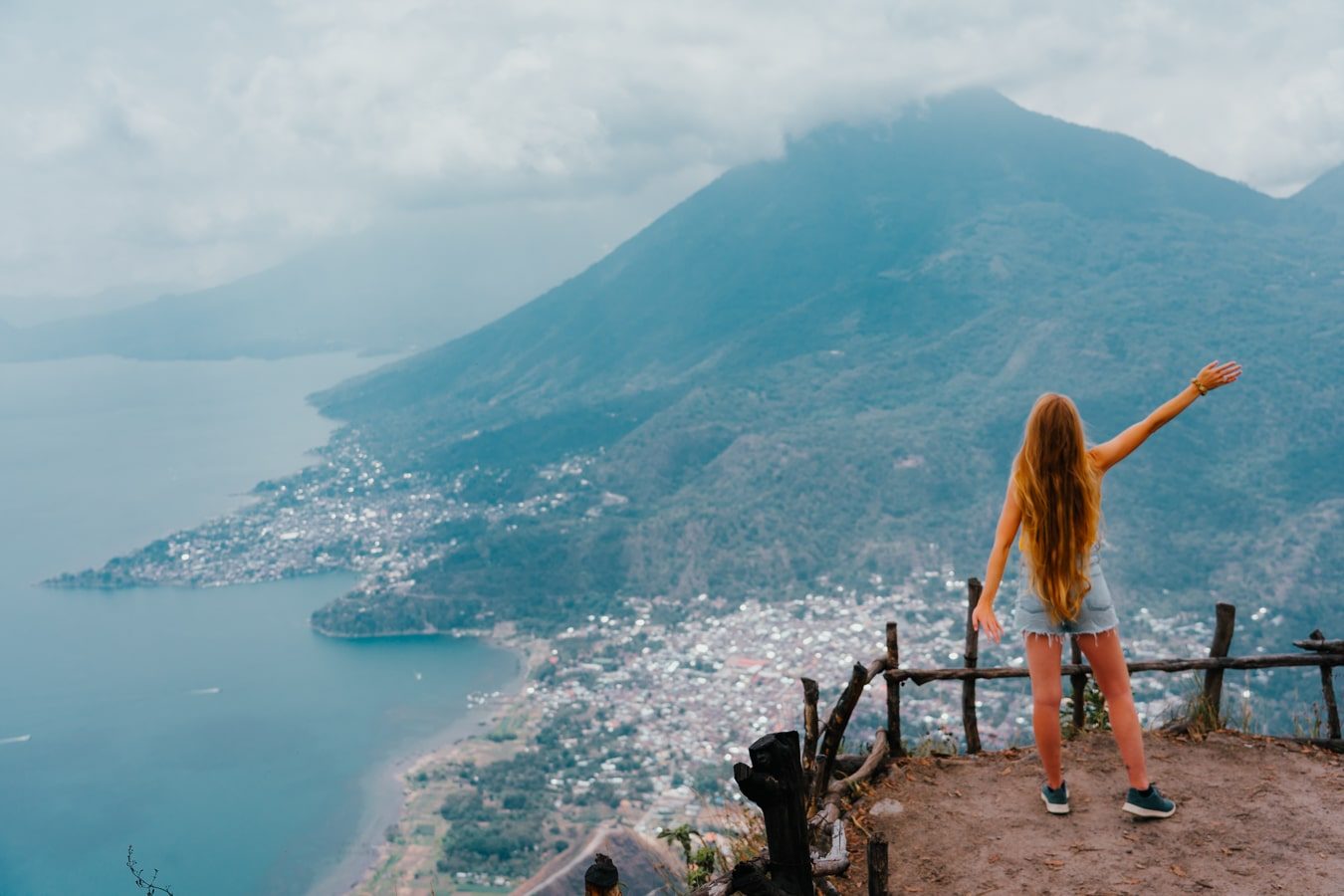
If you find the small bench or flat resting area near the lookout, use it for a seated foreground shot with the lake behind you and the volcanoes stacked in the distance. It is a good framing point when you want a people-plus-landscape composition rather than a pure panorama.

Maya Face Ridge Profile

Maya Face Ridge Profile

Best light · After sunrise

Step back along the ridge where the contour of Rostro Maya becomes visible in profile, then shoot toward the lake so the mountain shape reads in the frame. This angle works as a contextual shot that shows why the ridge is called the Maya Face while still keeping the lake view prominent.

Lake Panorama Open Edge

Lake Panorama Open Edge

Best light · Morning light

Use the open edge of the lookout for a wide lake-facing frame that captures shoreline layers, the water surface, and the volcano silhouettes in one line. This is the cleanest spot for a broad scenic shot with minimal clutter around the summit area.

San Juan Side Ridge Angle

San Juan Side Ridge Angle

Best light · Just after sunrise

Turn slightly toward the San Juan side of the ridge for a side-on composition that shows the slope dropping away from the viewpoint. It gives depth to the scene and helps separate the foreground ridge from the distant lake and mountains.

Gallery

Moments from Indian Nose Sunrise Hike

Food & drink

Where to Eat Before and After the Indian Nose Sunrise Hike

For the indian nose sunrise hike, the easiest food plan is to eat in Panajachel before or after you head up; there are no on-site dining options at the viewpoint itself. If you want a quick breakfast or a slower sit-down meal, Calle Santander and the lakefront both have reliable choices, and a few hotel restaurants work well for an early start.

Mister Jon's

$$ - $$$

Breakfast café — short walk in Panajachel

Good for an early breakfast before the climb, with eggs, pancakes, and coffee that travelers mention as a dependable start. It is a practical stop if you want a fast meal without drifting far from town.

Deli Jasmin

$$ - $$$

Café — Panajachel center

A popular breakfast-and-lunch café with healthy plates, smoothies, and strong coffee. It fits a quick pre-hike stop and is also easy for a relaxed return meal after the indian nose sunrise hike.

The Little Spoon

$$ - $$$

Café — Calle Santander

Known for coffee, smoothies, bowls, and lighter breakfast plates, plus a terrace for lingering after sunrise. It suits hikers who want something fresh and not too heavy.

Restaurante Cakchiquel Porta

$$$

Hotel restaurant — Porta Hotel del Lago

A full-service restaurant with breakfast, brunch, and lake views, useful if you want a more comfortable sit-down meal. It is a solid choice for groups or anyone pairing the hike with a longer Panajachel stay.

Hotel Atitlan Restaurant

$$$

Hotel restaurant — a few minutes by tuk-tuk

Set in a scenic lakeside hotel, this is best for a slower breakfast or lunch with views of the gardens and lake. It works well after the hike if you want to turn the morning into a longer meal stop.

Atlantis

$$ - $$$

Breakfast restaurant — Calle Principal

Open early and known for breakfast with coffee refills, making it a simple pre-dawn option before the trail. It is convenient if you want something familiar and central before joining indian nose sunrise hike tours or booking indian nose sunrise hike tickets.

Customer Reviews

What travelers say about Indian Nose Sunrise Hike

Real experiences from real travelers

4.6
Based on 2,400 reviews
1 ★ 180
2 ★ 210
3 ★ 640
4 ★ 2110
5 ★ 9840
M
Marisol A.
Spain · 2026-07-19

Cold start, warm payoff

We left San Juan at 3:45am and the air on the ridge was genuinely cold until the first light hit. Watching the mist lift off Lake Atitlán with Tolimán and Atitlán stacked behind it made the early alarm reasonable. Our Tz'utujil guide knew every switchback in the dark and set a pace the slowest of us could hold.

D
Daniel R.
United States · 2026-06-28

Volcanoes at first light

The indian nose sunrise hike was the clearest morning of our week in Guatemala, with a full cloud inversion sitting in the bays below the mirador. Bring a headlamp and a layer you can shed, because the descent through the milpa terraces gets hot fast. Coffee at the top was a nice touch.

Y
Yuki T.
Japan · 2026-05-30

Steeper than expected

The path from Santa Clara la Laguna is short but relentlessly steep in places, and loose gravel made the downhill slower than the climb. Views over the Solola highlands were worth the effort once the sun cleared the ridge. I would suggest proper shoes rather than trainers.

L
Lena K.
Germany · 2026-04-11

Rostro Maya at dawn

Standing on the Rostro Maya profile as the sky went from indigo to amber is the image I kept from the whole trip. Our group was small, which meant nobody was crowding the ledge for photos. Practical note — the wind on the exposed shoulder is stronger than you would guess from the village.

T
Tomás F.
Brazil · 2026-03-22

Quiet ridge, big lake

Booking indian nose sunrise hike tours through a local operator meant transport from Panajachel was already arranged, which removed a lot of guesswork at four in the morning. San Pedro volcano stayed sharp against the light for a good half hour. We stayed up top longer than planned and nobody rushed us.

A
Aoife M.
Ireland · 2026-02-08

Worth the 4am alarm

The climb took us just under an hour at a steady pace, mostly through pine and maize plots with the lake appearing in gaps. Cloud sat low over Santa Cruz la Laguna and burned off while we watched. Our guide pointed out each volcano by name and told us which villages the lights below belonged to.

P
Priya N.
United Kingdom · 2026-01-17

Layers, layers, layers

Nobody warned me how cold the highlands get before dawn, so borrow a blanket if the operator offers one. Once the sun came over the eastern ridge the temperature swung by what felt like fifteen degrees. Our indian nose sunrise hike tickets included the community entrance fee, which saved fumbling for quetzales in the dark.

C
Carlos M.
Mexico · 2025-11-05

Best viewpoint on Atitlan

We had done Volcán San Pedro two days earlier and this ridge gave a better sense of the whole lake basin for a fraction of the effort. Light on the terraced hillsides afterwards was almost as good as the sunrise itself. Wear something with grip for the loose sections coming down.

S
Sophie L.
France · 2025-08-14

Clouds, then clear

Our first attempt was completely fogged in, so we returned two days later and the second morning was flawless. The indian nose sunrise hike tour we joined let us swap dates without any fuss, which I appreciated. Take water even though it is short, since the descent is exposed.

A
Anders J.
Sweden · 2025-04-26

Silent at the summit

Twenty minutes before sunrise the whole ridge went quiet and you could hear boats starting up somewhere far below on the lake. An indian nose sunrise hike is really about that half hour of stillness rather than the walk itself. Photographers should get to the rock ledge early to claim a spot along the eastern edge.

FAQ

Indian Nose Sunrise Hike — frequently asked questions

Everything you need to know for your journey

Around the corner

More to see near Indian Nose Sunrise Hike

Atitlan Reserva Trails

Atitlan Reserva Trails

0 min

park

The reserve’s own trails are the main warm-up before or after the indian nose sunrise hike. They include hanging bridges, lake views, and forest sections that keep the visit anchored to one property.

Hanging Bridges

Hanging Bridges

5 min

landmark

These suspension bridges are part of the reserve’s trail network and add a forest-canopy feel to the outing. They are especially useful if you want a second scenic walk without leaving the property.

Butterfly Preserve

Butterfly Preserve

5 min

park

The butterfly area gives the reserve a calmer second stop after the hike. It works well if you want a lower-effort nature visit later in the morning.

Private Lake Shore

Private Lake Shore

10 min

viewpoint

The reserve’s private lakeshore offers a different angle on Lake Atitlán after sunrise. It is a good counterpoint to the ridge view because the lake surface and shoreline details read very differently at water level.

Panajachel Lakeshore

Panajachel Lakeshore

15 min

landmark

Panajachel’s lakeside zone is the nearest town-side add-on after the hike. It is convenient for breakfast, boat connections, and a relaxed walk once the sunrise outing ends.

Where to stay

Where to stay near Indian Nose Sunrise Hike

Atitlan Reserva Lodging

Atitlan Reserva Lodging

0 min

boutique

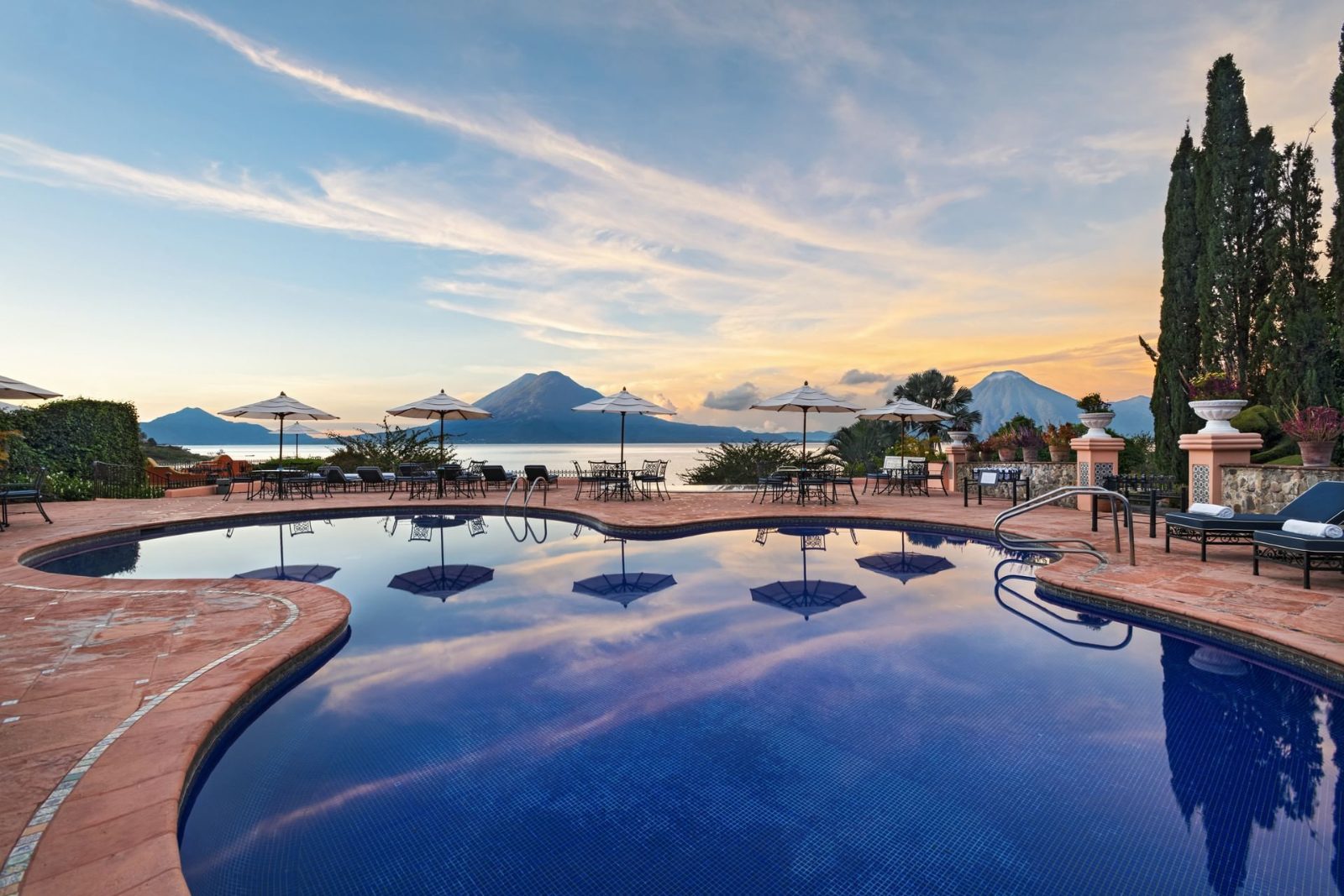
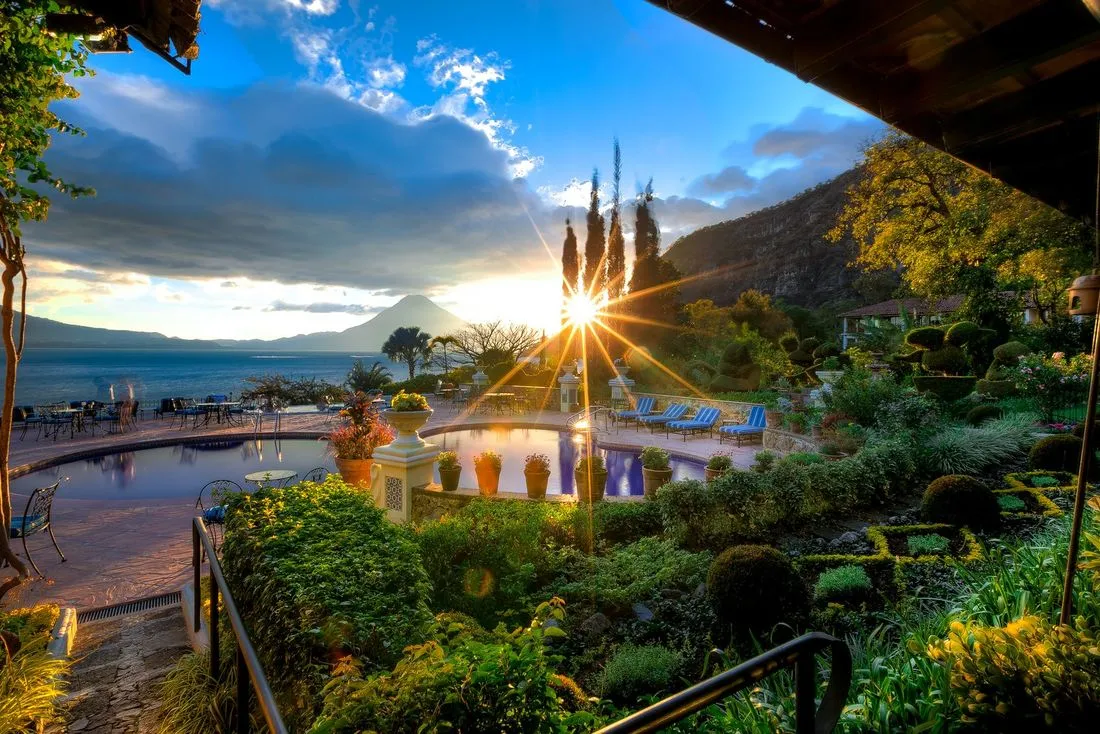
Staying on-site is the most convenient option for an early start. The reserve’s own lodging also includes access to its grounds, which can simplify a pre-dawn departure.

Panajachel Center District

Panajachel Center District

10-20 min

district

If you prefer more choice, Panajachel’s center has many hotels, hostels, and guesthouses. This is the easiest fallback if you want to be near restaurants and boat piers.

Lakefront Boutique Stays

Lakefront Boutique Stays

10-20 min

boutique

Lakefront properties around Panajachel and the nearby shoreline can shorten morning transfers. They are useful if you want views without sacrificing easy access to the reserve.

Ready for Adventure?

Join thousands of happy travelers who have discovered this incredible experience

Book Your Experience Now